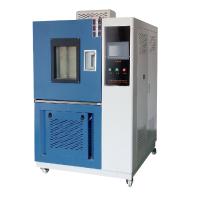
The high-low temperature resistance test of the insulating sheath is to evaluate its performance and reliability under different temperature environments. Insulating sheaths are usually used to protect the insulation layer of electrical equipment such as wires and cables, and to prevent electrical equipment from failing due to the influence of the external environment. The insulating sheath may soften, age, and harden in a high-temperature environment, while it may become brittle and easy to break in a low-temperature environment, and even cause the insulation layer to rupture, thereby affecting the performance and safety of electrical equipment. Through the high-low temperature resistance test, the durability and performance of the insulating sheath in different temperature environments can be evaluated, so as to select the appropriate type of insulating sheath and use scenarios, while ensuring its quality and reliability.

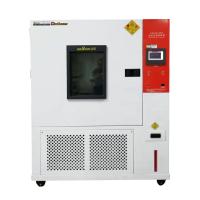
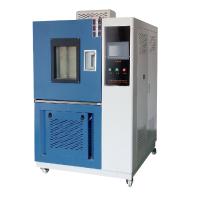
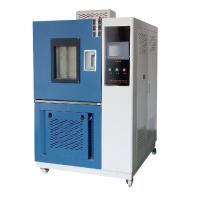
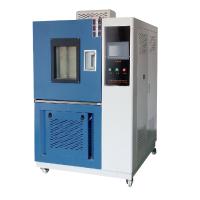
The insulating sheath is used to protect the wire and cable sheath from mechanical and chemical damage. In the process of production and use, the insulating sheath needs to have certain high-low temperature resistance. Therefore, the high-low Temperature Test Chamber can be used to test the high-low temperature resistance of the insulating sheath.
experiment procedure
Sample preparation: Take a sample of the insulation sheath from the production line and inspect it to make sure there is no damage to the sample.
Place the sample in a high-low Temperature Test Chamber, and set the test temperature and time as required.
During the high-low temperature test, the appearance and performance changes of the insulating sheath are monitored, such as deformation, cracking, hardness, etc.
After the test, take out the samples for inspection and measurement, and record the test results.
According to the test results, it is judged whether the sample is qualified, and the insulation sheath is improved and optimized.
Precautions
The preparation and handling of samples should comply with relevant standards and specifications.
Calibration and preheating of the Test Chamber are required before the test to ensure the accuracy and reliability of the test results.
During the test process, parameters such as temperature and humidity need to be monitored and recorded in real time for subsequent analysis and evaluation.
After the test, the test box needs to be cleaned and maintained to ensure the normal use and life of the test box.