Tires need to undergo high-low temperature resistance tests, mainly to evaluate the changes in their physical and chemical properties under different temperature conditions to ensure that they can withstand various environmental conditions while maintaining the stability and reliability of their quality and performance.
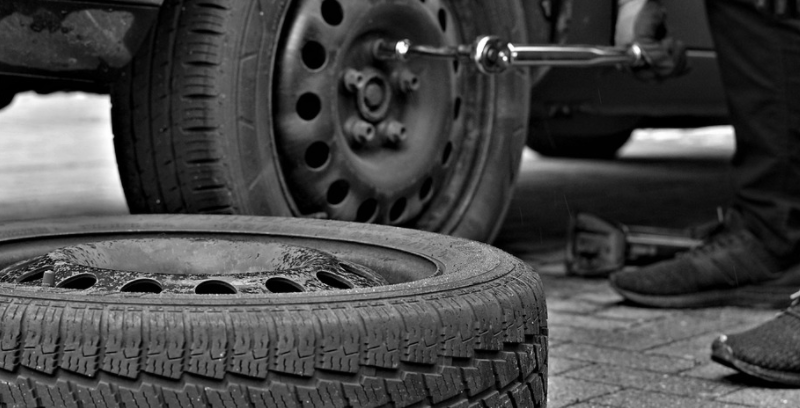
As an important part of the vehicle, tires directly affect the handling, safety, economy and other indicators of the vehicle. Through high-low temperature resistance tests, important indicators such as tire wear resistance, aging resistance, and crack resistance at different temperatures can be evaluated, so as to ensure that they can be used normally in various environments and have high durability. In addition, tires may have problems such as tread cracking and tire curtain rupture at high temperatures, while at low temperatures, they may become hard, lose softness, and reduce grip, etc. Therefore, the high-low temperature resistance test can also evaluate tires at different temperatures. performance and safety under conditions. The high-low temperature resistance test can ensure that the tire has stable performance and quality in various environments, can meet the needs of the vehicle, and at the same time improve the safety and comfort of the driver and passengers.
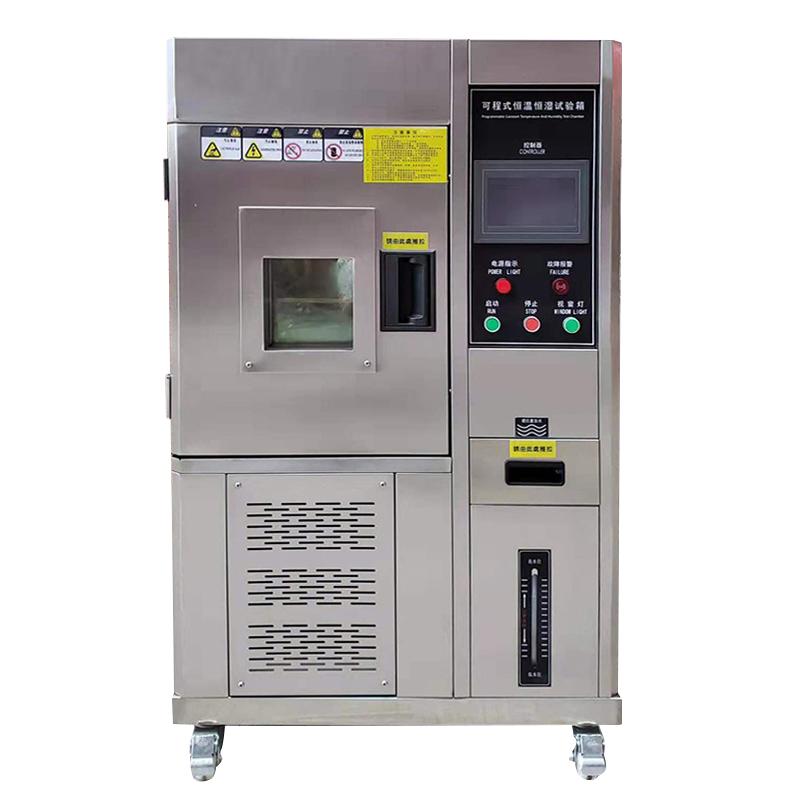
experiment method
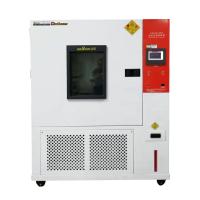
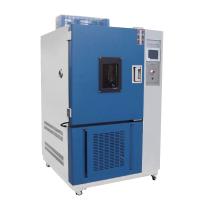
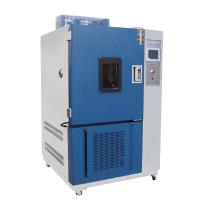
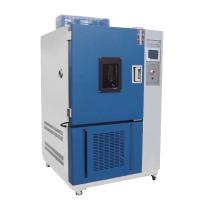
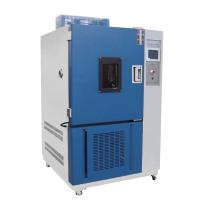
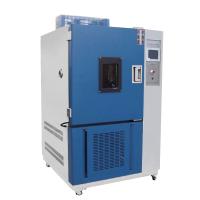
The high-low Temperature Test Chamber can be used for high-low temperature resistance tests of tires to evaluate the performance and stability of tires under high-low temperature conditions. The following are the general test steps:
Prepare test samples: select the required tire samples, and adjust parameters such as air pressure and load according to relevant standards or manufacturer requirements.
Place the samples: place the tire samples in the high-low Temperature Test Chamber, and make sure that each sample is placed in the same position and direction.
Set test parameters: According to test standards or manufacturer's requirements, set the temperature value and time of high temperature and low temperature, as well as the rate of heating and cooling and other parameters.
Conduct the test: start the high-low Temperature Test Chamber, let it heat up or cool down according to the set parameters, and keep it at the set temperature for a period of time to simulate the use of tires under extreme weather conditions.
Measuring performance: During the test, some performance tests can be carried out, such as tire appearance change, tread hardness, wear resistance, durability, crack resistance, etc., to evaluate the performance and durability of the tire in high-low temperature environments.
Analyzing data: data analysis and processing of test results to draw conclusions and recommendations. If the tire fails the test, it needs to be improved and tested again until it meets the required standards and requirements.