The function of the anti-corrosion coating is to protect the metal surface from corrosion and oxidation, and the environment of high temperature or low temperature may affect its anti-corrosion performance and life, so the anti-corrosion coating needs to be tested for high-low temperature resistance.
The high-low temperature resistance test can evaluate the physical and chemical properties of anti-corrosion coatings at high or low temperatures, such as adhesion, wear resistance, durability, weather resistance, etc. These properties are closely related to the service life, safety and reliability of anti-corrosion coatings.
In the high-low temperature resistance test, it is possible to simulate the high-low temperature environment under actual use conditions, such as placing it at a high temperature for a period of time, and then test whether the adhesion and corrosion performance of the anti-corrosion coating are affected. Through these tests, the service temperature range and durability of the anti-corrosion coating can be determined, so as to ensure its good performance and stability in practical applications. At the same time, it is also possible to evaluate the chemical stability of the anti-corrosion coating at different temperatures, so as to avoid the degradation of anti-corrosion performance or coating failure due to chemical changes.
experiment method
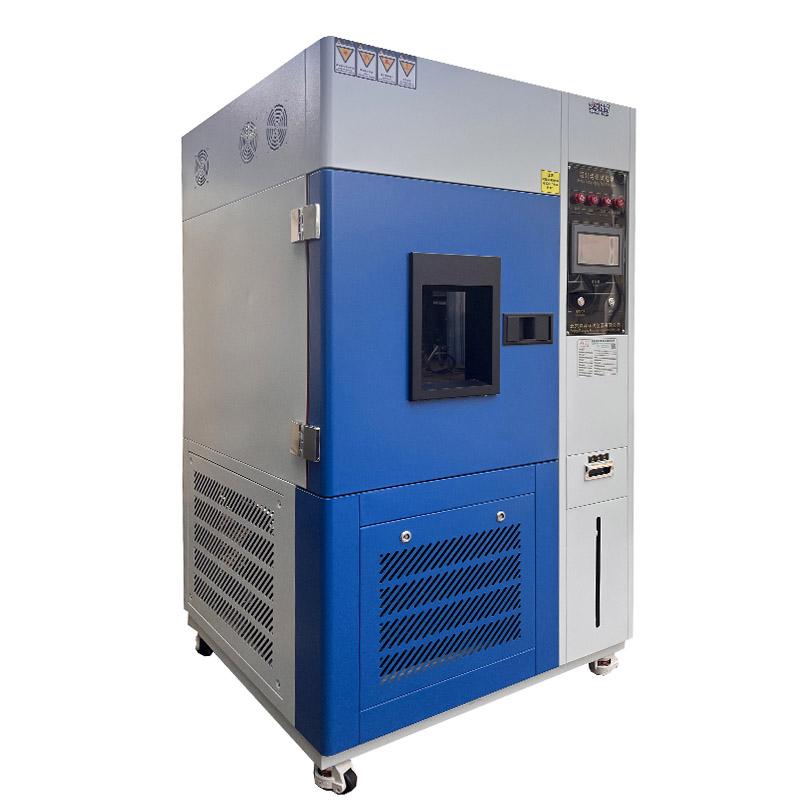
The high-low Temperature Test Chamber can be used for high-low temperature resistance tests of anti-corrosion coatings. The following are the test steps:
1. Prepare samples: According to the standard requirements, prepare samples coated with anti-corrosion coating. It is necessary to ensure uniform coating, no bubbles, no scratches, etc.
2. Place the sample in the high-low Temperature Test Chamber, and set the temperature and time according to the standard requirements. Usually the temperature range is -40℃~150℃, and the holding time is set according to the standard requirements.
3. Carry out the test: keep warm for a certain period of time at high temperature and low temperature respectively, and then take out the sample for inspection. Check whether the coating is blistered, peeled off, cracked, cracked, etc.
4. Judging the performance of the anti-corrosion coating according to the test results: According to the condition of the coating surface, judge whether its anti-corrosion performance meets the standard requirements. If there is a problem with the coating, more detailed inspections can be performed to determine the cause of the problem.
5. Record test results: record the data and results of each test for subsequent analysis and research.