Automobile refinish paint is a kind of paint applied on the surface of the car. It needs to have the characteristics of high-low temperature resistance in order to maintain good performance under different environmental conditions. Therefore, automotive refinish paint needs to be tested for high-low temperature resistance.
In the high-low temperature resistance test, the high-low temperature environment under actual use conditions can be simulated, such as exposure to high temperature for a period of time, and then test whether its parameters such as heat resistance and adhesion are affected. Likewise, a similar experiment can be performed in a low temperature environment. Through these tests, the physical and chemical properties of automotive refinish paints at different temperatures can be evaluated, such as heat resistance, cold resistance, adhesion, etc. The importance of these properties for the service life, durability and corrosion protection of automotive refinish coatings cannot be overemphasized.
In actual use, the surface of the car will be affected by various environmental conditions and mechanical forces, such as high temperature, ultraviolet rays, acid rain, sand and dust, scratches, etc. Therefore, car refinish paints need to have high physical and chemical stability to Protect the car surface and prolong the service life. The high-low temperature resistance test can evaluate the performance stability of automotive refinish paint at different temperatures, so as to ensure its good durability and stability.
experiment procedure
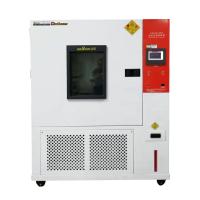
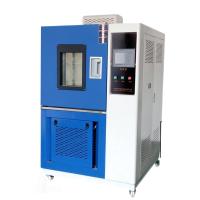
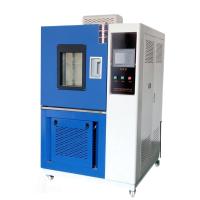
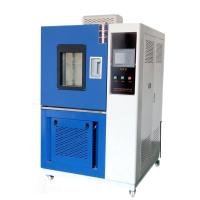
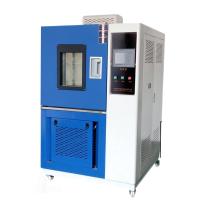
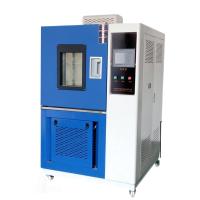
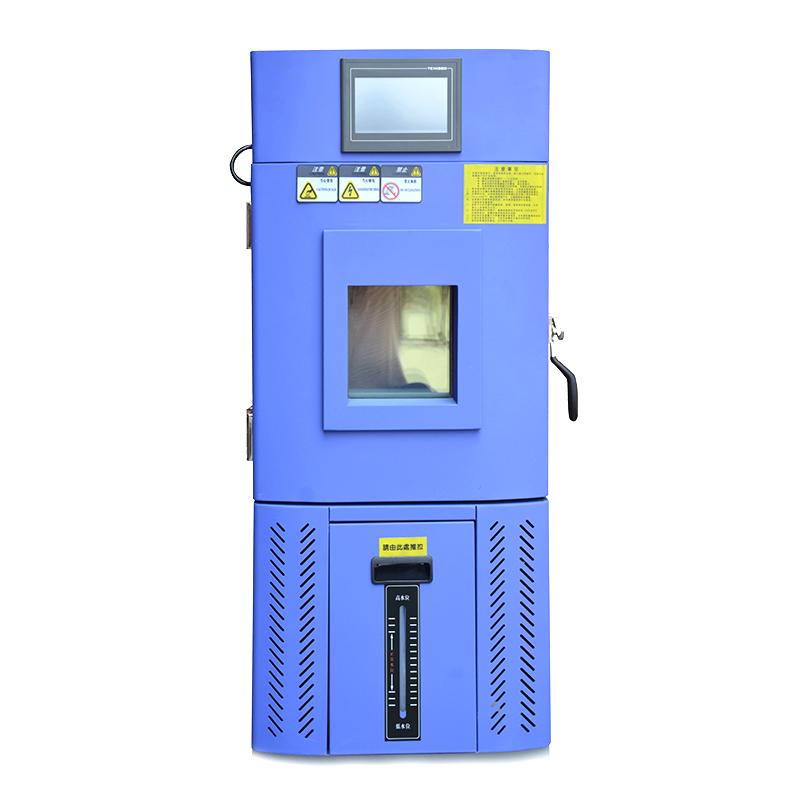
The high-low Temperature Test Chamber can be used to test the durability and weather resistance of automotive refinish paint in high-low temperature environments. The following are the test procedures:
Sample preparation: Remove an appropriately sized sample from the automotive refinish to be tested, making sure the sample is not damaged or contaminated.
Set test conditions: According to the application environment of the refinish paint, determine the parameters such as the high-low temperature range, heating and cooling rate and duration required for the test. Install sample holders or fixtures in the high-low Temperature Test Chamber as needed.
Preheating Test Chamber: Open the high-low Temperature Test Chamber, set the temperature to the required test temperature, and then wait for the internal temperature of the Test Chamber to reach the set value, which usually requires several hours of preheating.
Install the sample: place the sample on the sample holder or fixture, and then install the holder or fixture into the high-low Temperature Test Chamber.
Start the test: Set the high-low Temperature Test Chamber to the required heating or cooling rate, and keep the temperature stable within the set temperature range, usually requiring multiple cycles of continuous testing.
Observe the sample: During the test, observe whether the sample has discoloration, peeling, cracking, etc.
Stopping the test: After the required test cycle is complete, the Test Chamber is stopped and the samples are removed for testing and evaluation.