Hot melt adhesives will undergo cycles of high temperature melting and low temperature curing during use, so high-low temperature resistance tests are required.
The high-low temperature resistance test can evaluate the physical and chemical properties of hot melt adhesives at high or low temperatures, such as melting point, viscosity, viscosity, tensile strength, etc. These properties are closely related to the service life and performance stability of hot melt adhesives.
In the high-low temperature resistance test, the high-low temperature environment under actual use conditions can be simulated, such as being exposed to high temperature for a period of time, and then testing whether its parameters such as viscosity and fluidity are affected. Through these tests, the service temperature range and durability of the hot melt adhesive can be determined, thus ensuring its good performance and stability in practical applications. At the same time, it is also possible to evaluate the chemical stability of hot melt adhesives at different temperatures to avoid performance degradation or failure of hot melt adhesives due to chemical changes.

experiment procedure
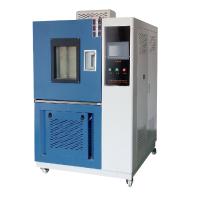
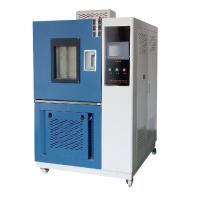
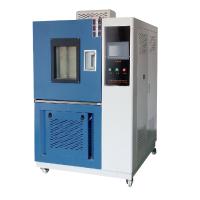
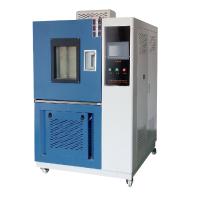
The high-low Temperature Test Chamber is widely used in the high-low temperature resistance test of hot melt adhesives, and can be used for performance evaluation and improvement of hot melt adhesives in high-low temperature environments. The following are the general test steps:
Determine the temperature range and duration of the test according to the environment in which the hot melt adhesive is used and relevant standards.
Prepare the required hot melt adhesive samples in sufficient size and quantity to meet the test requirements.
Spread the hot melt adhesive sample evenly on the substrate to be tested, either using an automatic applicator or manually.
Place the substrate coated with hot melt adhesive in the high-low Temperature Test Chamber, and set the temperature and duration according to the test requirements.
After the test is completed, the hot melt adhesive sample is taken out and tested for properties, such as tensile strength, elongation at break, viscosity, hardness, etc.
Analyze and evaluate the test results, and improve the formula or production process of hot melt adhesives as needed to improve their high-low temperature resistance.
Precautions for use
Before conducting the experiment, the following points should be noted:
The selection of hot melt adhesive should meet the required use requirements, such as higher viscosity, strength and temperature resistance.
When applying hot melt adhesive, ensure that the application is even and avoid air pockets or defects.
During the high temperature test, the hot melt adhesive will melt, and care should be taken not to bond it with other materials.
Hot melt adhesives can become hard and brittle when tested at low temperatures and care needs to be taken not to allow them to crack or fail.