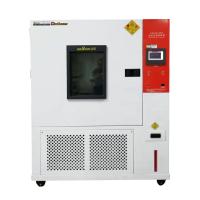
Steel may encounter high or low temperature environments during use. For example, in aerospace, automotive, energy and other fields, the environment in which steel is located may experience extreme high or low temperatures. Therefore, the high-low temperature resistance test is to test the performance and stability of steel at different temperatures to ensure the reliability and safety of steel in these extreme environments.
High-low temperature resistance tests can help engineers and manufacturers determine the service temperature range and performance parameters of steel, so as to ensure that it can work normally within the design temperature range and withstand the required load. In the high-low temperature resistance test, various tests such as high temperature, low temperature, thermal cycle, and thermal shock are usually carried out on the steel to simulate the actual use conditions and evaluate the strength, toughness, hardness, fatigue life and other parameters of the steel.
In short, the high-low temperature resistance of steel is an important indicator, and it is needless to say how important it is to ensure product quality and safety, so corresponding tests and inspections are required.

application solution
Application of high-low Temperature Test Chamber in steel high-low temperature resistance test and its test steps:
Purpose of the test: To test the durability of steel in high-low temperature environments, and to check whether the performance of steel meets the requirements of the standard.
Test samples: Select steel samples that meet the standards for testing.
Test method: Place the steel sample in a high-low Temperature Test Chamber, heat or cool it according to the temperature and time specified in the standard, and usually perform multiple cycle tests. During the test, by observing the changes of the steel surface and measuring its physical properties and other indicators, it is judged whether its high-low temperature resistance performance meets the standard requirements.
experiment procedure:
Prepare test samples, handle and label in accordance with standard regulations.
Place the test sample in a high-low Temperature Test Chamber, and heat or cool down according to the temperature and time specified in the standard.
Observe the changes on the surface of the test sample, including color, luster, oxidation degree, etc., and whether there are cracks, peeling, etc.
Measure the physical performance indicators of the test samples, including hardness, strength, toughness, etc.
Repeat the above steps to perform multiple cycle tests.
According to the test results, judge whether the high-low temperature resistance performance of the sample meets the standard requirements.
Test Notes:
Select the appropriate temperature range and number of cycles according to standard regulations.
The test sample should conform to the size and shape specified in the standard.
During the test, the sample should be prevented from being disturbed by external force to ensure the accuracy of the test data.
After the test is over, clean and maintain the high-low Temperature Test Chamber in time to ensure its normal use.