The high-low temperature resistance test of metal components is to evaluate the performance of metal materials under extreme temperature conditions, including thermal stability at high temperatures and toughness at low temperatures. These tests are usually performed under standardized laboratory conditions by exposing metal components to a range of temperatures for a period of time and then checking for changes in their properties.

At high temperatures, metal components may experience thermal expansion, softening, oxidation, etc., which may cause them to lose strength, deform, crack, etc. At low temperatures, metal components may become increasingly brittle, prone to cracking and breaking. Therefore, high-low temperature resistance tests can evaluate the performance of metal components at different temperatures and determine their reliability and safety in specific applications.
The high-low temperature resistance test is self-evident for metal components in many industrial and scientific fields, such as aerospace, automobile manufacturing, electronic products, etc. Through these tests, manufacturers can determine the service life of metal components, the applicable temperature range, and avoid potential quality problems and safety risks.
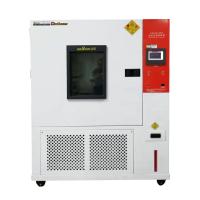
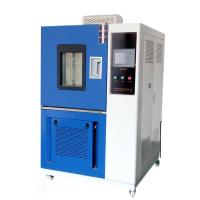
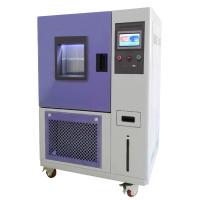
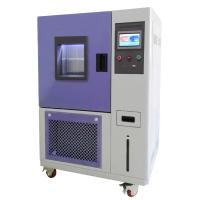
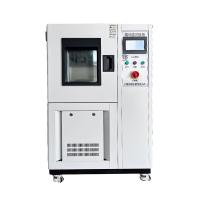
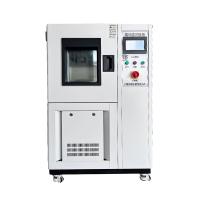
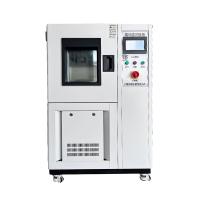
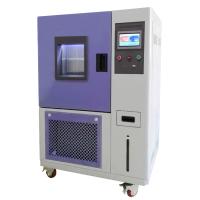
High-low Temperature Test Chambers are usually used for high-low temperature resistance tests of metal components to simulate the use of metal components in various harsh environments, such as use in extremely cold or hot environments, to detect whether their performance is affected.

experiment procedure
The test steps are as follows:
Sample preparation: According to the required specifications and requirements, make samples of metal components and make marking records.
Place the sample: place the sample on the sample holder in the high-low Temperature Test Chamber, and ensure that there is enough space between the samples.
Set test parameters: according to actual needs, set the temperature and humidity parameters in the Test Chamber, and start the Test Chamber to start the test.
Detection data: During the test, the temperature, humidity and other data of the sample can be detected at any time and recorded for subsequent analysis.
End the test: within the set test time, after reaching the predetermined test purpose, stop the operation of the Test Chamber and take out the sample for subsequent analysis and testing.
NBCHAO reminds you: the specific test steps may vary due to different metal component materials, test requirements and test purposes, so you should carefully read the operating instructions of the test box and the use instructions of the metal components before conducting the test to ensure that Test accuracy and reliability.