Application meaning
The roof is a structure used to cover the roof of a building. It is often exposed to the outdoor environment and is affected by various factors such as solar radiation, rain and snow erosion, and temperature changes. Therefore, high-low temperature resistance tests are required.
First of all, in a high-temperature environment, the ceiling material may withstand the temperature rise caused by solar radiation. In a long-term high-temperature environment, the ceiling material is prone to aging, deterioration, embrittlement, discoloration, etc., and even cracking and failure. Therefore, the high temperature resistance test can evaluate the performance and life of the ceiling material in a high temperature environment, so as to select the material that can meet the actual application requirements.
Secondly, in a low temperature environment, the ceiling material may also be affected by cooling and freezing, which is prone to problems such as embrittlement and cracking, reducing its service life and performance. Therefore, the low temperature resistance test can evaluate the performance and life of the ceiling material in the low temperature environment, so as to ensure its stable operation in the low temperature environment.
In short, through the high-low temperature resistance test, the performance and life of the roof material can be evaluated, and the appropriate material and processing technology can be selected to improve the service life and reliability of the roof.
experiment procedure
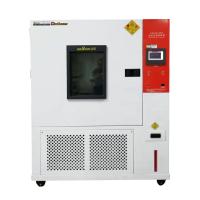
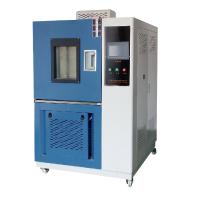
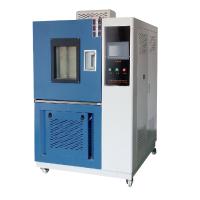
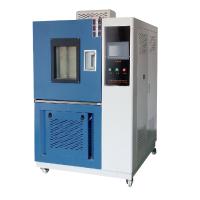
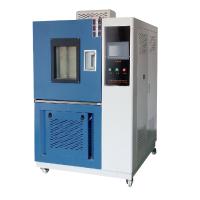
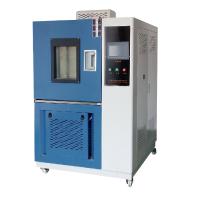
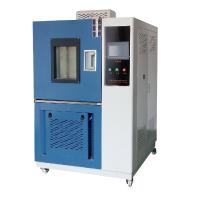
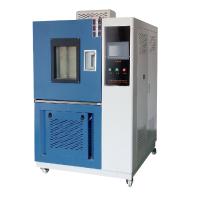
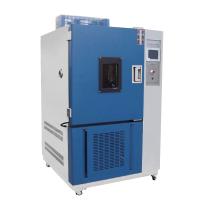
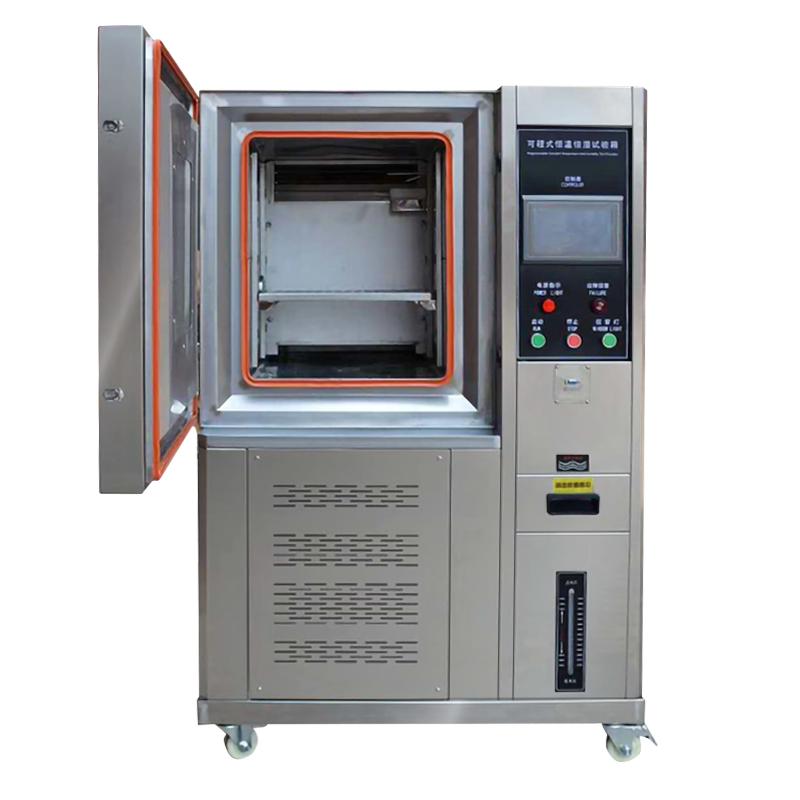
In the high-low temperature test of roof materials, the high-low Temperature Test Chamber can be used to evaluate the performance and stability of materials at different temperatures to determine their scope of application and service life. The following are the test steps:
Prepare samples: Prepare ceiling material samples of appropriate size and quantity according to relevant standards or requirements.
Place the sample: place the sample in the high-low Temperature Test Chamber, and test according to the required temperature and time.
Heating/cooling: According to the set program, the temperature of the Test Chamber is raised or lowered to the required temperature. The temperature change should be smooth, without sudden changes or rapid changes.
Insulation/Insulation: At a set temperature, the sample is kept in a high-low Temperature Test Chamber for a period of time to evaluate its performance and stability. The holding time can be adjusted as needed.
Observation results: After the test is over, take out the samples and inspect and evaluate the appearance, size and performance, and record the test results.
Data analysis: According to the test results and relevant standards, analyze the performance and stability of the samples at different temperatures, and make evaluations and conclusions.