The reason why floor mats and carpets need to be tested for high-low temperature resistance is because they are coverings on the ground and will be exposed to various environmental conditions, including high temperature, low temperature, humidity, dryness, etc. If the material of floor mats or carpets cannot withstand the influence of these environmental conditions, it will lead to their performance degradation, aging, deformation, cracking, falling off and other problems, which will affect their service life and aesthetics.
The high-low temperature resistance test is one of the methods for testing floor mats and carpet materials, which can test their performance and stability under extreme high-low temperature conditions. These tests can simulate the use of ground covers in different environmental conditions, such as use in extreme temperatures, exposure to the sun in summer, and use in low temperatures in winter. Through these tests, the durability and performance of floor mats and carpet materials can be evaluated, their suitability for specific use environments can be determined, and the quality of floor mats and carpets can be guaranteed.
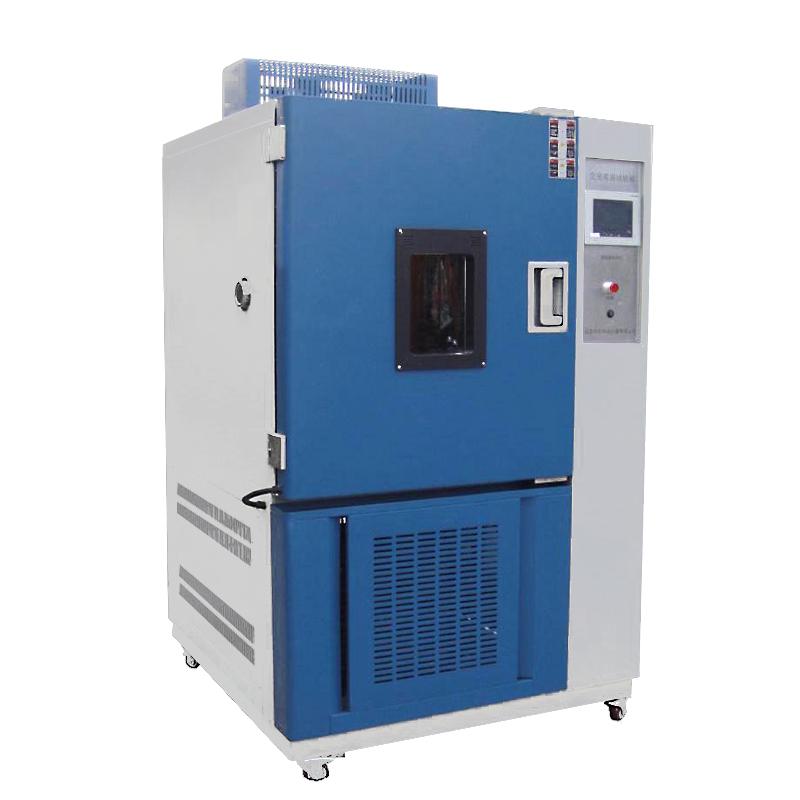
experiment procedure
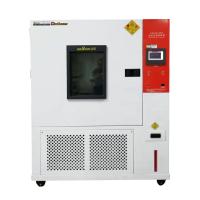
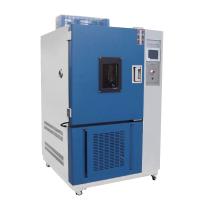
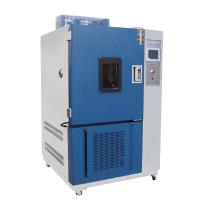
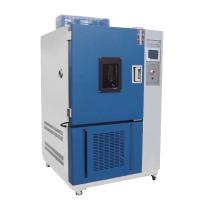
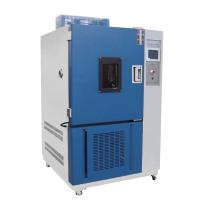
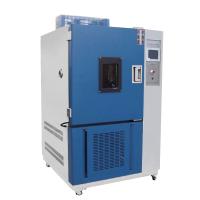
The high-low Temperature Test Chamber can simulate various climatic conditions in the high-low temperature resistance test of floor mats and carpets, such as testing their physical properties, chemical properties and durability in extremely cold or extremely hot environments. The following are the test steps:
1. Prepare the sample: Cut out a sample of suitable size from the floor mat or carpet, and process it as required.
2. Place the sample in the high-low Temperature Test Chamber: According to the test requirements, place the sample in the high-low Temperature Test Chamber.
3. Set the temperature: Set the temperature of the high-low Temperature Test Chamber according to the requirements, and adjust it to the required test temperature.
4. Keep the temperature stable: After waiting for the temperature in the high-low Temperature Test Chamber to stabilize, keep it stable.
5. Holding time: According to the requirements, the time to keep the sample in the high-low Temperature Test Chamber can be adjusted according to the test requirements under normal circumstances.
6. Take out the sample: After the test time is up, take out the sample for testing.
7. Testing: Perform various tests on the taken samples, such as physical properties, chemical properties and durability, and record them.
8. Analysis results: analyze the test results, evaluate the high-low temperature resistance performance of floor mats or carpets, and make conclusions and suggestions.
North and South Chao reminds you: Different types of floor mats and carpets may require different test parameters, so before conducting high-low temperature tests, you need to carefully read and follow relevant standards or specifications.