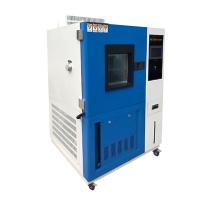
The high-low temperature resistance test of the wiper is to evaluate the performance of the wiper under different temperature conditions, including durability, strength, elasticity, wear resistance, etc. These tests help manufacturers determine the quality and reliability of wiper blades and ensure that they will perform properly in a variety of extreme climatic conditions.
At high temperatures, wiper blades may become softened and lose their elasticity, affecting their cleaning effect and lifespan. At low temperatures, wiper blades may become fragile, easily broken or cracked, which will also affect their cleaning effect and lifespan. Therefore, the high-low temperature resistance test can simulate the wiper working under different temperature conditions, so as to evaluate its performance and reliability at different temperatures.
Wipers are usually used on the windshields of cars and other vehicles, and different regions and seasons may have different climate conditions, including high temperature, low temperature, humidity, dryness, etc. Therefore, through the high-low temperature resistance test, manufacturers can ensure that the wiper can work normally under various extreme weather conditions, and improve the driving safety and comfort of users.
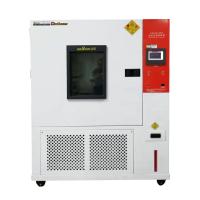
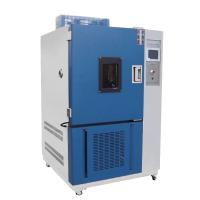
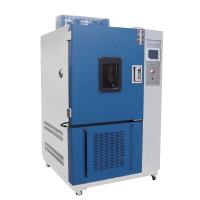
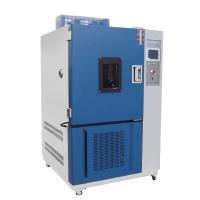
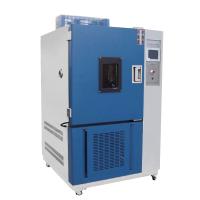
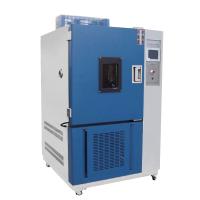
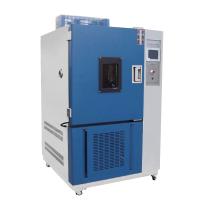
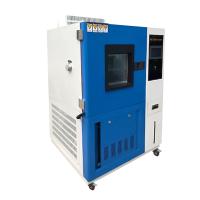
The application of the high-low Temperature Test Chamber in the high-low temperature resistance test of the wiper is to test the performance of the wiper, including the heat resistance and cold resistance of the wiper rubber and the durability of the entire wiper system.
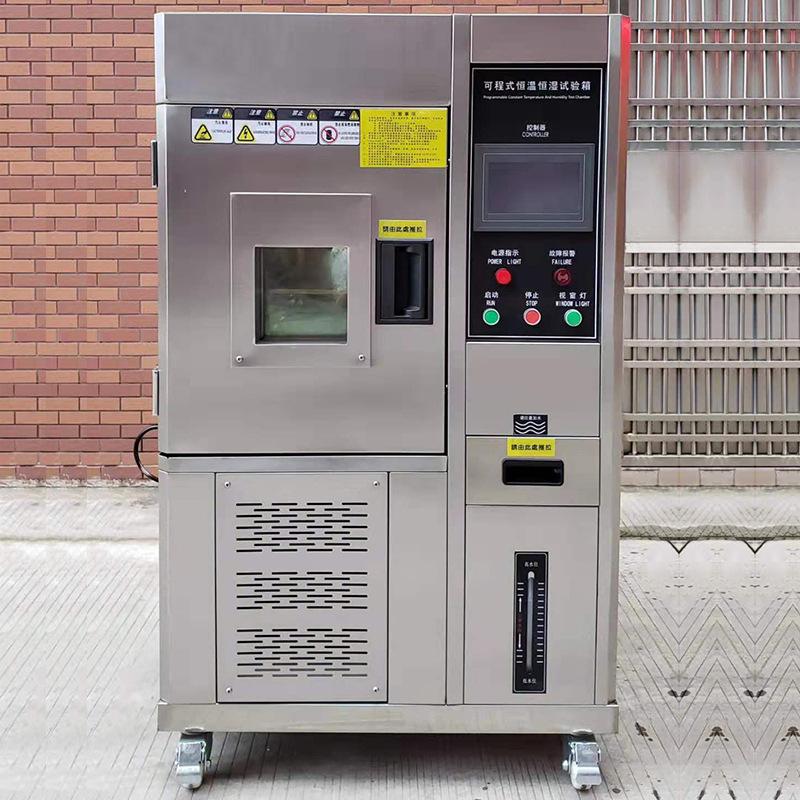
experiment procedure
The test steps are as follows:
1. Put the sample (wiper blade) in the high-low Temperature Test Chamber, and set the temperature of the Test Chamber to the specified temperature (usually -40°C to 80°C).
2. At the set temperature, run the wiper system to test, usually the test time is several hours to several days, depending on the demand.
3. After the test, take the sample out of the high-low Temperature Test Chamber, and conduct performance tests, such as testing the hardness and tensile properties of the wiper rubber, as well as the performance of the entire wiper system.
4. According to the test results, evaluate the performance of the wiper system at different temperatures, and determine the product reliability and scope of application.
NBCHAO reminds you: when conducting high-low temperature tests, the appropriate test temperature and time should be set according to actual needs, and the test should ensure that the sample is in a stable temperature environment to avoid the impact of temperature fluctuations on the test results.