The reason why plastic interior decoration needs to be tested for high-low temperature resistance is because during use, plastic interior decoration will be affected by various environmental conditions, including high temperature, low temperature, humidity, dryness, etc. If the plastic interior cannot withstand the influence of these environmental conditions, it will lead to its performance degradation, aging, deformation, cracking, falling off and other problems, which will affect the aesthetics and comfort of the car interior environment.
The high-low temperature resistance test is one of the methods for testing plastic interiors, which can test their performance and stability under extreme high-low temperature conditions. These tests can simulate the use of plastic interiors under different environmental conditions, such as prolonged exposure in high temperature environments, prolonged storage in low temperature environments, etc. Through these tests, the durability and performance of the plastic interior can be evaluated to determine whether it is suitable for a specific use environment and provide assurance for the quality and safety of the interior environment.
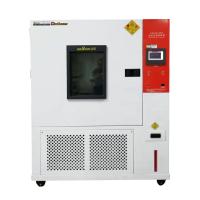
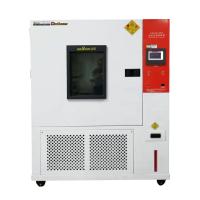
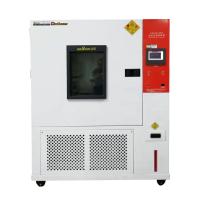
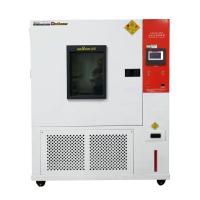
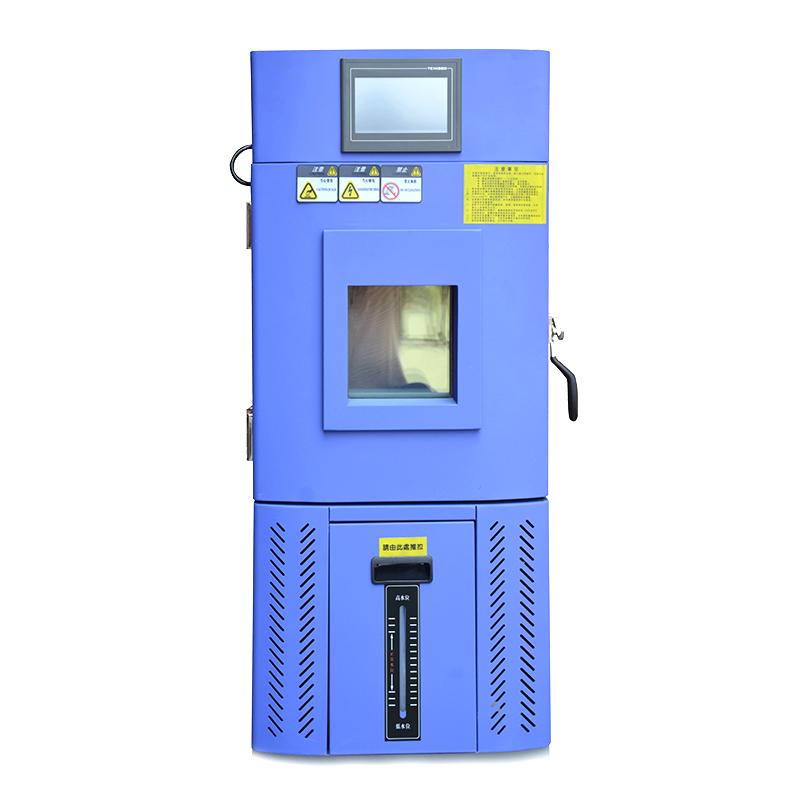
In the automotive industry, plastic materials are used extensively in interior parts. In high or low temperature environments, plastic materials are prone to deformation, aging, cracking and other phenomena, which seriously affect the safety, comfort and durability of automobiles. Therefore, it is necessary to use a high-low Temperature Test Chamber for high-low temperature resistance tests to evaluate the durability and performance stability of interior parts.
experiment procedure
Prepare the sample: Select the plastic material used in the interior to prepare the sample, and pay attention to the shape and size of the sample to match the actual application.
Put the sample in the high-low Temperature Test Chamber: put the sample in the high-low Temperature Test Chamber, and set it according to the required temperature range and heating and cooling rate.
Preheating: According to the test requirements, preheat the sample to reach the required temperature.
Alternate high-low temperature test: test according to the required high-low temperature alternate test conditions, and maintain each temperature point for a certain period of time, usually 1-2 hours.
Observe the sample: After the test, take out the sample, observe whether it has deformation, cracks, cracks, etc., and evaluate its high-low temperature resistance performance.
Record data: record the temperature, time, sample changes and other data measured during the test, as the basis for the test results.
Analysis results: According to the test results, analyze the durability and performance stability of interior parts, and provide reference for product improvement and optimization.