Photovoltaic solar panels need to be used in an outdoor environment for a long time, so they need to have good high-low temperature resistance. In actual use, photovoltaic solar panels will be affected by different temperature environments, such as high temperature in summer and low temperature in winter, etc. These factors will cause changes in the material and structure of the panel, thereby affecting its performance and stability.
Therefore, the high-low temperature resistance test of photovoltaic solar panels can help manufacturers and users evaluate the performance and durability of panels in different temperature environments, thereby ensuring their reliability and stability. These tests can also provide manufacturers with information on how to improve and optimize product design and manufacturing processes to improve the quality and performance of photovoltaic solar panels.

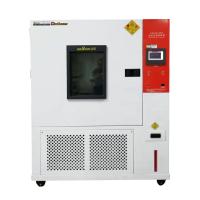
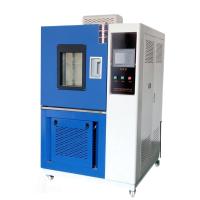
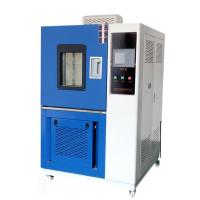
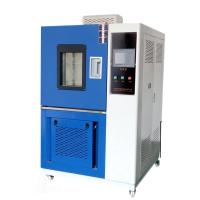
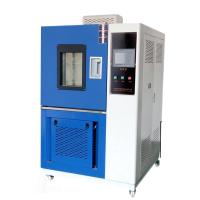
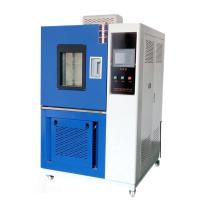
The high-low Temperature Test Chamber can be used for high-low temperature resistance tests of photovoltaic solar panels to simulate the use environment and tolerance of solar panels at different temperatures.
Sample preparation: Place the solar panel sample in the Test Chamber and keep the surface of the sample free of dust or dirt.
Set test conditions: Set test conditions according to actual needs, such as setting the high temperature test temperature to 85°C, the low temperature test temperature to -40°C, and set the heating and cooling rates.
Start the test: start the high-low Temperature Test Chamber, expose the sample to the environment of alternating high-low temperature, and conduct the test according to the set time and temperature.
Observation of sample changes: During the test, regularly observe whether the surface of the sample changes, such as oxidation, shedding, cracks, etc., record and take pictures for records.
End the test: After the set test time is reached, close the Test Chamber and take out the samples for evaluation.
Evaluate the performance of the sample: evaluate the performance of the sample after the test, such as photoelectric conversion efficiency, resistance and current of the battery panel, appearance quality and other indicators.
Through these steps, the high-low temperature resistance performance of the solar panel can be tested to provide guarantee for the quality of the product.