Glasses are an indispensable item in people's daily life, and during use, they may experience high or low temperature environments, such as hot weather in summer or cold weather in winter. Therefore, glasses need to undergo high-low temperature resistance tests to evaluate their durability and stability in extreme environments. These tests can help manufacturers or users understand the performance of glasses at different temperatures, and whether problems such as deformation, brittle cracking, and failure will occur under these conditions, so as to ensure the quality and safety of glasses.

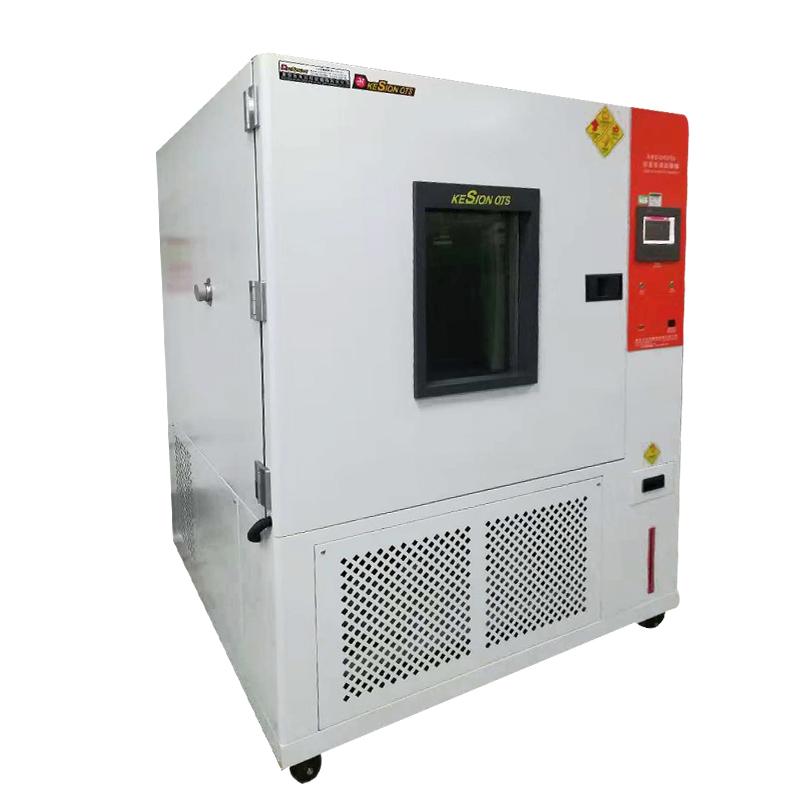
The high-low Temperature Test Chamber can be used to test the high-low temperature resistance of glasses to verify the performance and reliability of glasses in various temperature environments, such as the transparency, toughness, stability and other properties of glasses in extremely cold or high temperature environments whether affected.
experiment procedure
The following are the basic steps of glasses high-low temperature resistance test:
Prepare samples: Prepare eyeglass samples to be tested, mark and record according to test requirements.
Put the sample into the high-low Temperature Test Chamber: place the sample in the high-low Temperature Test Chamber to ensure that the position and arrangement of the sample meet the requirements.
Set test parameters: Set the test parameters such as the temperature range, temperature change rate, and duration of the high-low Temperature Test Chamber according to the test standards and requirements.
Conduct the test: start the high-low Temperature Test Chamber, let the temperature in the Test Chamber change according to the set parameters, let the samples be exposed and heated at different temperatures, and observe the performance and performance changes of the samples at different temperatures.
Observation and recording: During the test, it is necessary to continuously observe the state and performance changes of the sample, and record the data in time, including changes in temperature, time, deformation, cracks, and discoloration.
Result evaluation: According to the test results, evaluate the high-low temperature resistance performance and reliability of the samples, and analyze and compare them for necessary improvement and optimization.