Aviation coatings are an important type of coating in the aviation industry, used for anti-corrosion and aesthetic decoration of aircraft surfaces. Since aircraft are often affected by various environmental factors during flight, such as high temperature, low temperature, oxidation, corrosion, etc., aviation coatings need to have excellent high-low temperature resistance to ensure that they can be used under harsh environmental conditions for a long time.
The high-low temperature resistance test of aviation coatings can simulate the use environment at different temperatures, and test the performance of coatings under extreme temperatures, such as film adhesion, durability, color stability, etc. These tests can provide paint performance evaluation data for paint manufacturers to optimize paint formulations and manufacturing processes, and improve paint performance and quality. At the same time, the high-low temperature resistance test of aviation coatings can also provide the aviation industry with suggestions on the selection and application of aircraft surface coatings.
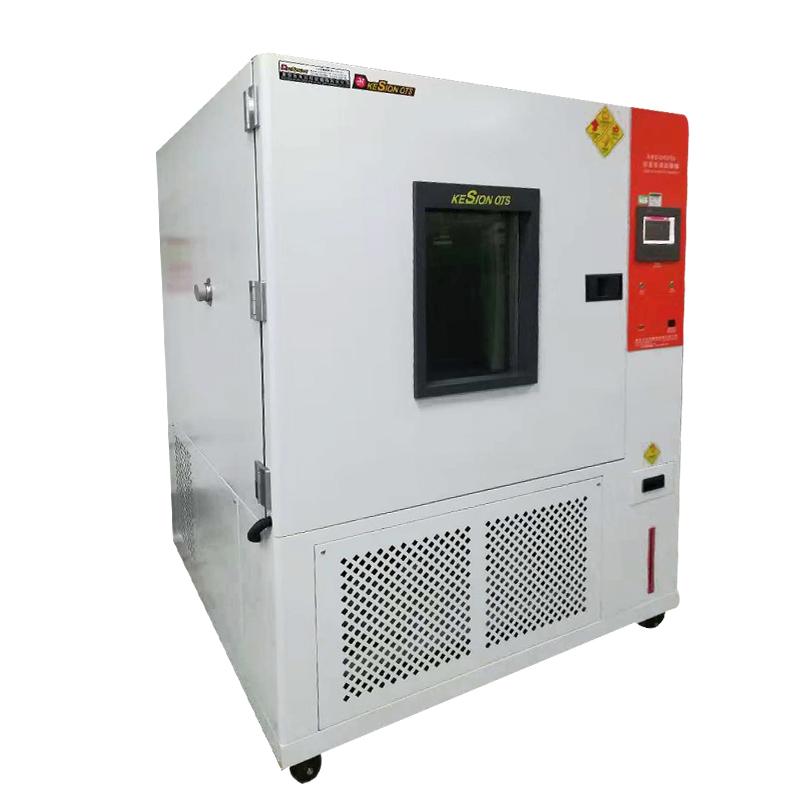
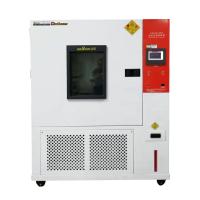
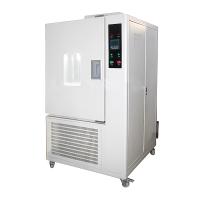
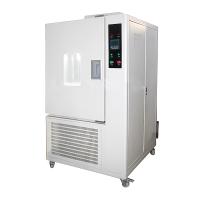
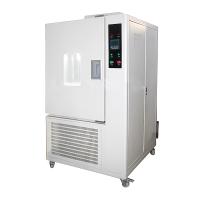
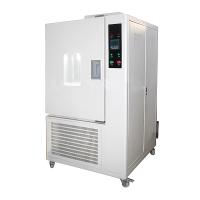
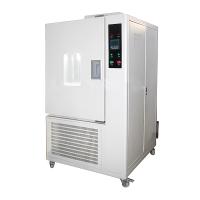
The high-low Temperature Test Chamber is widely used in the high-low temperature resistance test of aerospace coatings. Aerospace coatings need to withstand extreme environmental conditions, such as high temperature, low temperature, humidity, ultraviolet rays, etc. High-low temperature resistance tests are required to verify its performance before use.
The test steps are as follows:
1. Prepare samples: Prepare aerospace paint samples according to the required specifications.
2. Install the sample: apply the aviation coating sample evenly on the sample plate, and install it in the high-low temperature test box.
3. Set test conditions: According to the specification requirements of aviation coatings, set the test conditions such as the temperature range, heating rate, cooling rate and holding time of the high-low Temperature Test Chamber.
4. Carry out the test: Test the temperature range and time set in the high-low temperature test box. Usually, multiple temperature cycles are required to verify the performance of aviation coatings under different temperature environments.
5. Check the sample: After the test is completed, take out the sample for inspection. Check the surface of the sample for peeling, cracking, discoloration, etc., to judge its durability in extreme temperature environments.