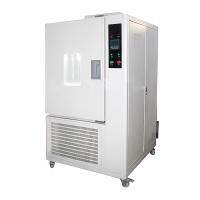
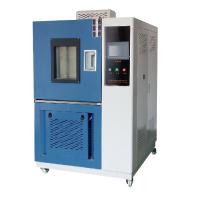
Why do fire retardant coatings measure high-low temperature?
Fireproof coating is a special coating with fireproof performance, which is widely used in construction, transportation and electric power and other fields. Its main function is to protect buildings and people from fire hazards when a fire breaks out. Therefore, fire retardant coatings need to have certain high-low temperature resistance properties.
First, fire retardant coatings need to be resistant to high temperatures. In the event of a fire, the temperature in a building can rise rapidly, reaching extremely high temperatures beyond what conventional coatings can withstand. The high temperature resistance of the fire retardant coating can make it work stably at high temperature and maintain the effect of fire isolation, thereby protecting buildings and people from fire hazards.
Secondly, fire retardant coatings also need to be resistant to low temperatures. In some cold climates, fire retardant coatings need to maintain their fire performance to prevent brittle cracking at low temperatures. Therefore, fire retardant coatings need to be tested at low temperatures to ensure they will work reliably in different climates.
Additionally, high-low temperature testing ensures that fire retardant coatings provide consistent fire performance in all climates. This helps to reduce the maintenance costs of buildings, as these coatings can work in different climates for a long time without needing to be replaced. Therefore, it is very important to test the high-low temperature resistance of fire retardant coatings, so as to ensure that they can effectively prevent fire and protect the safety of buildings and personnel.
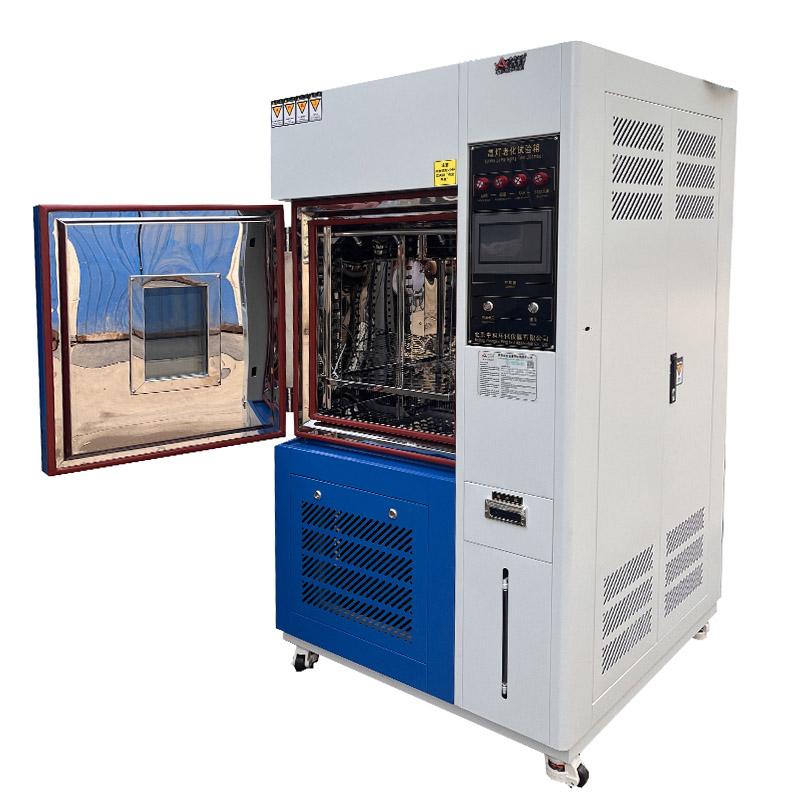
experiment procedure
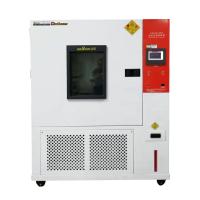
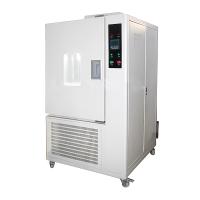
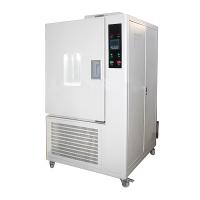
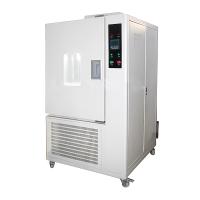
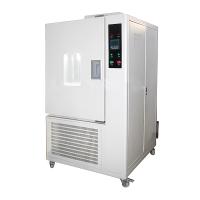
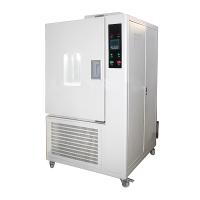
The high-low Temperature Test Chamber can be used for high-low temperature resistance tests of fire retardant coatings to evaluate the heat resistance and cold resistance of the coatings. The following are the basic steps of high-low temperature resistance test of fire retardant coatings:
Sample preparation: The fire retardant coating is applied to a suitable substrate, usually a steel or concrete slab. Ensure coating is uniform and within specification.
Place the sample: place the sample in a high-low Temperature Test Chamber, and set the temperature range and duration according to the specification.
Heating stage: heat up the high-low Temperature Test Chamber to the specified high temperature point and keep it for a certain period of time.
Cooling stage: Cool the high-low Temperature Test Chamber to the specified low temperature point and keep it for a certain period of time.
Observe the sample: After the test is completed, check the surface of the sample for blistering, peeling, cracking, etc., and evaluate it.
Record results: record coating performance and test conditions, including temperature and time, etc.
Analysis results: Analyze and evaluate according to the test results to determine whether the fire retardant coating meets the specification requirements.
In the high-low temperature resistance test of fire retardant coatings, multiple tests are generally carried out according to the specification requirements to determine the stability and reliability of the coating.