Electrophoretic coating is a common anti-corrosion coating, which is usually used for coating the surface of automobiles, home appliances, mechanical equipment and other products. During use, these products may be affected by different environmental conditions such as high temperature, low temperature, and humidity, so they need to be durable and stable. In order to ensure that the quality and performance of electrophoretic coatings meet the requirements, high-low temperature resistance tests are required to test their performance such as corrosion resistance, adhesion, wear resistance and durability under different temperature and humidity conditions. These tests can be used to assess whether the performance of the electrophoretic coating meets the requirements, so that its behavior can be predicted and controlled in actual use. This can ensure that the electrophoretic coating on the surface of the product can maintain its design performance and stability under various working conditions, and improve its service life and reliability.
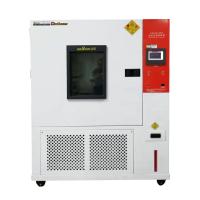
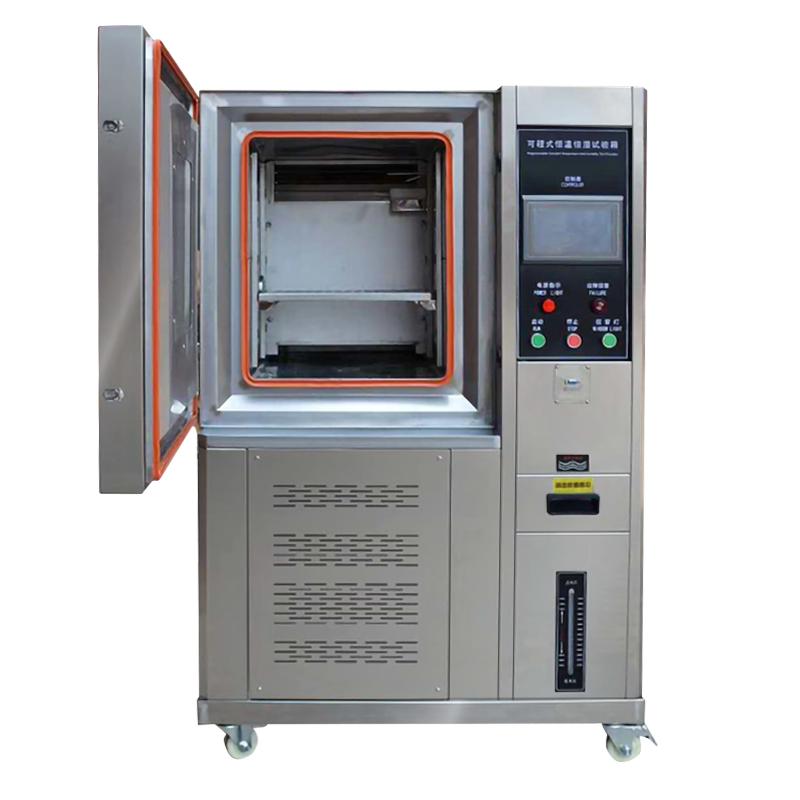
High-low Temperature Test Chambers are often used for high-low temperature tests of electrophoretic coatings to test their high-low temperature resistance.
experiment procedure
According to the standard requirements, prepare the corresponding samples;
Put the sample into the high-low Temperature Test Chamber, and set the corresponding temperature and time parameters;
Keep the sample at high temperature for a period of time, usually 2-4 hours, so as to ensure that the temperature of the sample reaches the set value;
Then keep warm for a period of time in a low temperature state, the general time is 2-4 hours, and then ensure that the temperature of the sample reaches the set value;
Repeated high-low temperature cycles until the required number of cycles is reached;
Take out the sample, observe whether there are cracks and peeling on the surface, and evaluate its high-low temperature resistance.
Beichao reminds you: the specific test steps should be adjusted according to the requirements of the test standards to ensure the accuracy and reliability of the test results.