Plastics need to undergo high-low temperature resistance tests because during use, plastic products will face different temperature changes and environmental conditions, such as high temperature, low temperature, humidity, etc. These conditions may adversely affect the mechanical properties, durability and deformability of plastics, leading to problems such as failure and embrittlement of plastic products. Therefore, by conducting high-low temperature resistance tests, the reliability and stability of plastic products in different environments can be verified to ensure that they can be used normally and have stable performance and quality under various extreme conditions, so as to meet various industrial applications and Require.
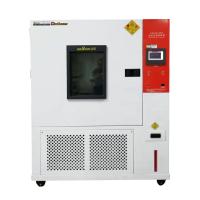
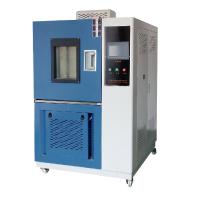
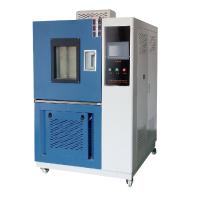
The high-low Temperature Test Chamber is widely used in the high-low temperature resistance performance test of plastic products. For example, the quality inspection of various plastic products such as electronic product casings, auto parts, toys, packaging materials, and medical equipment.
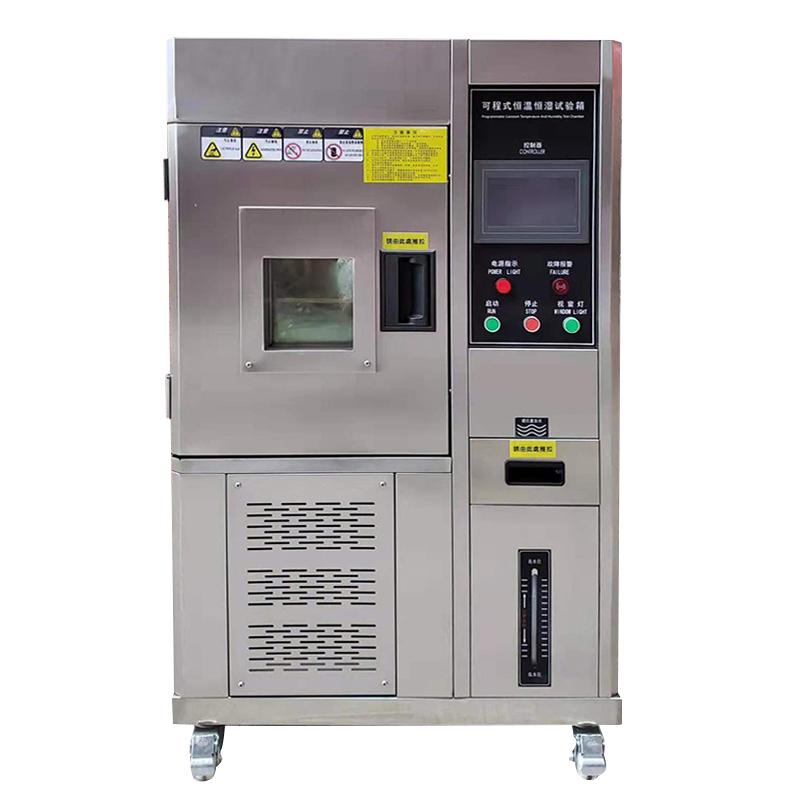
experiment procedure
Prepare samples: Select an appropriate number of plastic product samples according to the standards. Samples should be representative and the same size as the actual item used. If there are different batches of products, samples from each batch should be selected for testing.
Install the samples: Place the samples in the Test Chamber, making sure that the distance between the samples is sufficient to allow air circulation. As required, temperature sensors and hygrometers were placed on the samples to monitor changes in temperature and humidity.
Set test conditions: set the high-low temperature and holding time of the test according to relevant standards or product specifications. The rate of change of temperature should be within the specified range.
Start the test: Start the Test Chamber and start the test. During the test, the temperature and humidity of the Test Chamber need to be monitored to ensure that it is stable under the preset conditions.
Observe the change of the sample: After the test, take out the sample for observation to check whether there is cracking, falling off, deformation, discoloration, etc. If so, corresponding data and photos need to be recorded.
Evaluation of test results: According to product specifications or relevant standards, evaluate the test results to determine whether the samples meet the requirements. If the test results do not meet the requirements, further analysis and processing are required.
Precautions
The selection and installation of the samples should meet the standard requirements, and ensure that the distance between the samples is sufficient to allow air circulation.
During the test, the temperature and humidity of the Test Chamber need to be monitored to ensure that it is stable under the preset conditions.
After the test, it is necessary to carefully observe the sample, record the corresponding data and photos, and evaluate it according to the standard.