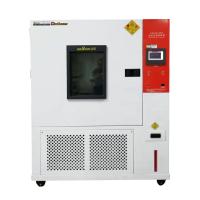
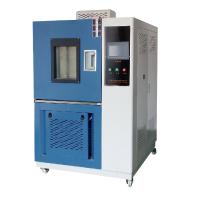
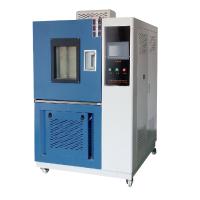
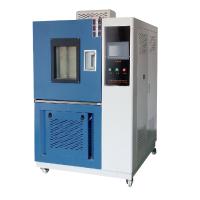
New materials refer to new materials developed in recent years. These materials have unique properties and application advantages, but under different temperature conditions, their properties may change or even lose their proper properties. Therefore, in order to evaluate the performance and scope of application of new materials, high-low temperature resistance tests are required. These tests can help manufacturers or users understand the physical, chemical, mechanical, electrical and other properties of new materials under high or low temperature conditions, and verify their stability, reliability and durability. Through the high-low temperature resistance test, it can provide scientific basis for the research and development, design and production of new materials, improve the safety and reliability of its application, and promote the promotion and application of new materials.
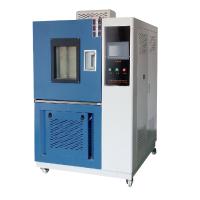
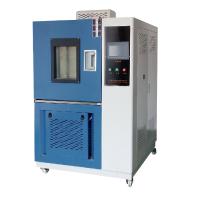
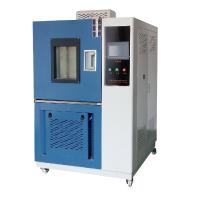
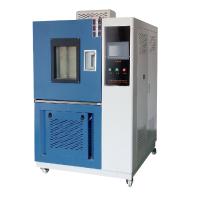
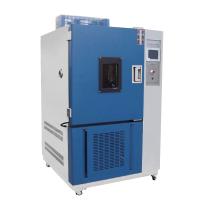
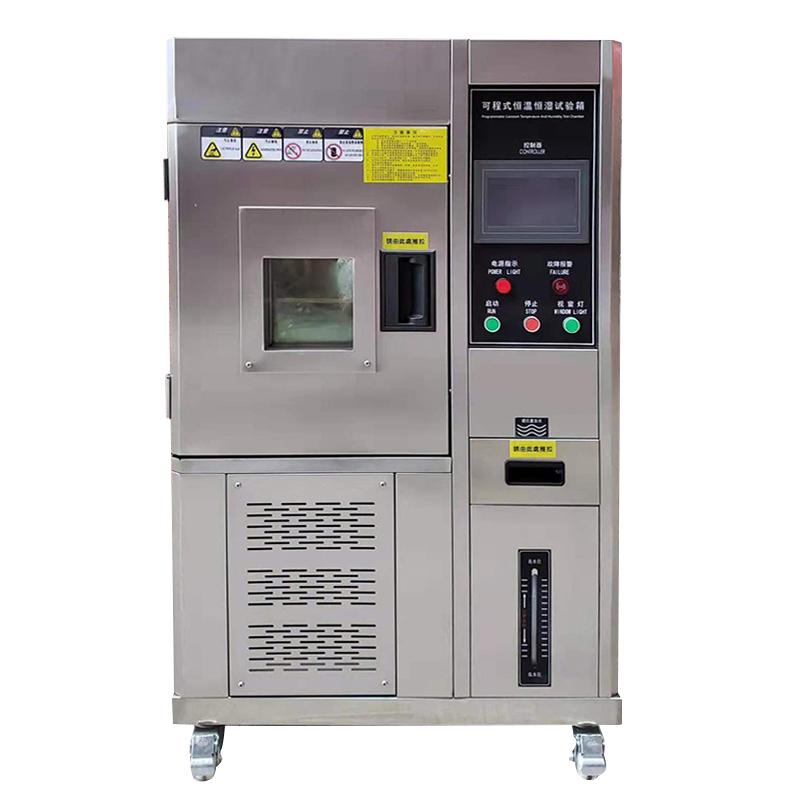
High-low Temperature Test Chambers are widely used in high-low temperature resistance tests of new materials, such as polymer materials, fiber materials, composite materials, etc. The performance of these new materials can vary greatly at different temperatures, so high-low temperature tests are required to verify their performance.
experiment procedure
The following are the general high-low temperature test steps for new materials:
Sample preparation: According to test standards or requirements, prepare samples that meet the requirements.
Stable environment: Place the sample in a high-low Temperature Test Chamber to stabilize the ambient temperature at the set temperature.
Heating or cooling: According to the requirements of the test standard, the temperature of the sample is raised or lowered. In general, both the rate of temperature change and the temperature range need to be controlled.
Insulation or retention time: keep the sample in a high-low temperature environment or keep it for a certain period of time.
Test performance: According to test standards or requirements, test the performance of samples in high-low temperature environments, such as tensile strength, elastic modulus, hardness, etc.
Analysis results: According to the test results, analyze whether the performance of the sample meets the requirements in the high-low temperature environment.
Beichao reminds you: Different new materials may have different requirements and steps in the high-low temperature test, so you need to carefully read the relevant test standards and requirements before conducting the test.