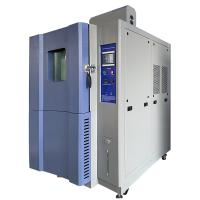
Printed circuit board is an important part of electronic products, its performance and reliability directly affect the quality and life of the entire electronic product. In order to ensure that the PCB has stable performance and reliable work in practical applications, high-low temperature tests are required.
Under high temperature environment, the components and circuits on PCB are prone to thermal expansion, aging and other problems, which will lead to the performance degradation or even failure of PCB. Similar problems will also occur in PCBs in low-temperature environments, such as low-temperature embrittlement and structural deformation. Through high-low temperature tests, it is possible to simulate the working conditions of PCBs in extreme environments, evaluate their resistance performance, and find solutions. In addition , because the components and circuits on the PCB often need to work in different temperature ranges, high-low temperature tests can help determine the applicable temperature range and working conditions of the PCB, and provide a basis for product design and production.
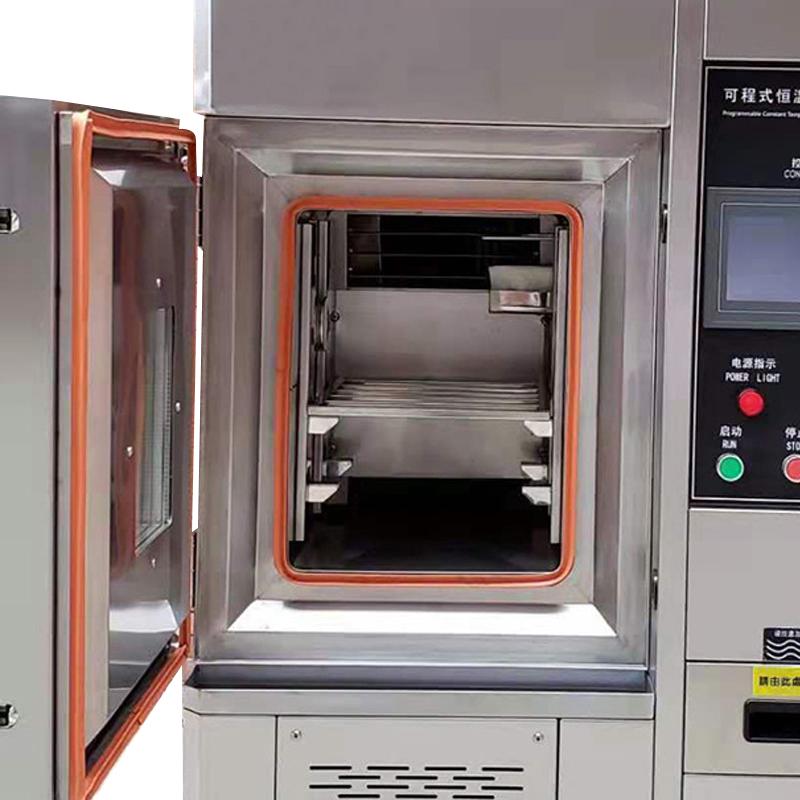
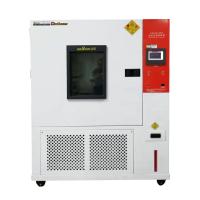
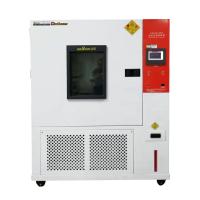
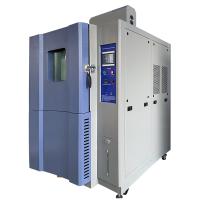
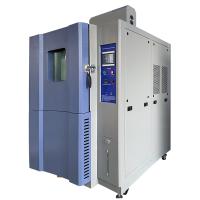
The high-low Temperature Test Chamber tests the durability, performance and reliability of printed circuit boards in high-low temperature environments, helping manufacturers determine better design and material selection during product development and improvement. The high-low Temperature Test Chamber is also a very common application in the high-low temperature resistance test of printed circuit boards. The following are the test steps:
Prepare samples: Prepare samples of printed circuit boards to be tested, making sure they meet the test standards and specifications.
Place the samples: Place the samples in the high-low Temperature Test Chamber to ensure that they will not touch each other or be damaged.
Set temperature: set the high-low temperature range and temperature change rate of the Test Chamber, and preheat according to the test requirements.
Run the test: start the test, and monitor and record the temperature, time and appearance changes of the board according to the test standard.
Observation results: After the test, observe the appearance and performance changes of the circuit board. If there is any abnormal situation such as damage or deformation, record the time and reason of its occurrence.
Analyze the results: analyze the test results to determine the performance and reliability of the circuit board in high-low temperature environments, and improve or optimize it according to the test results.