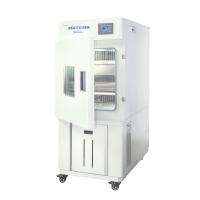
Automotive electronic devices are an integral part of modern vehicles, including engine control units, body control units, airbags, audio and other electronic equipment. In actual use, automotive electronic devices will encounter working conditions under different environmental conditions, such as high temperature, low temperature, humidity, etc. These environments may have adverse effects on the performance and reliability of electronic devices. Therefore, the high-low temperature resistance test is one of the necessary means for performance evaluation and quality control of automotive electronic devices. By simulating the use conditions at different temperatures, the reliability, durability, anti-interference and other indicators of electronic devices can be checked, so as to ensure their stability and reliability in practical applications. At the same time, the high-low temperature resistance test can also provide manufacturers with important reference information on improving product design, process and material selection, etc., and improve product quality and competitiveness.
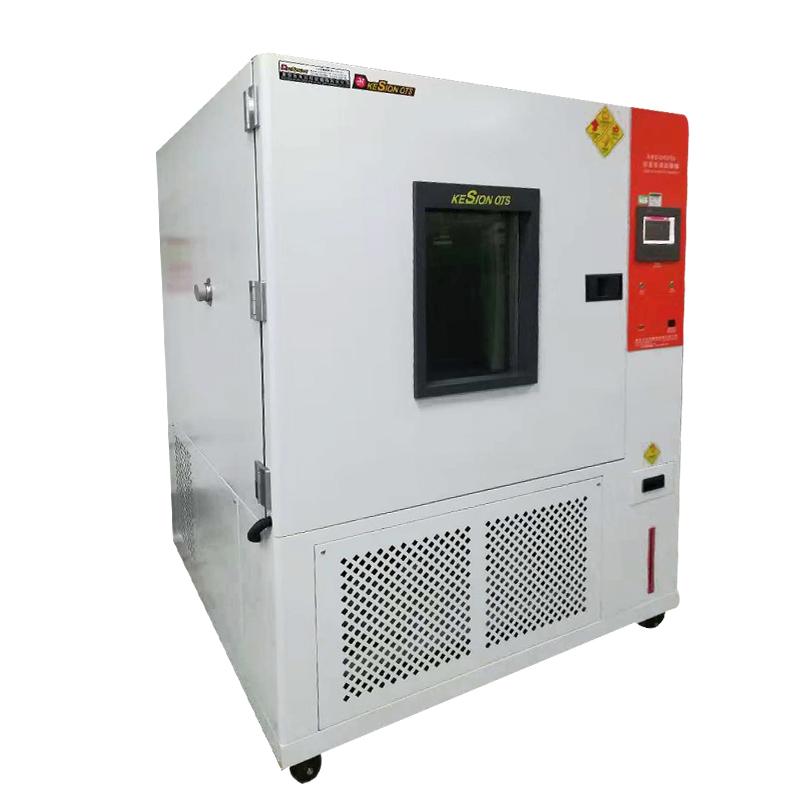
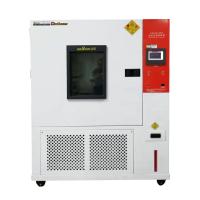
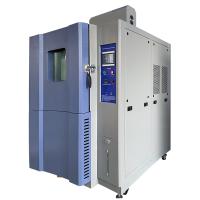
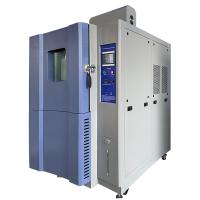
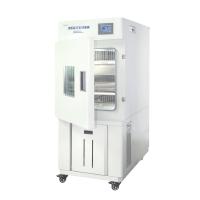
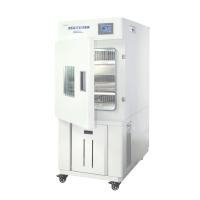
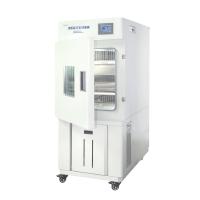
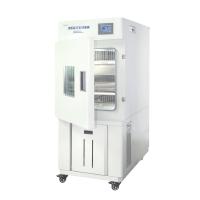
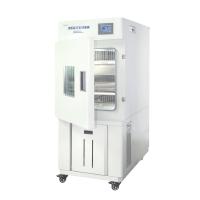
Automotive electronic devices need to work normally under different ambient temperatures, so high-low temperature resistance tests are required to evaluate their resistance. The high-low Temperature Test Chamber can simulate different temperature conditions, enabling the performance of automotive electronic devices to be evaluated in extreme environments.
experiment procedure
Prepare samples: Prepare the automotive electronic components that need to be tested, and pay attention to follow the relevant test standards and operating procedures.
Put the sample into the Test Chamber: place the sample in the high-low Temperature Test Chamber, pay attention to the correct placement and fixation of the sample according to the test standards and operating procedures.
Set temperature and time: Set the high-low temperature and duration in the Test Chamber according to the test standard and operating procedures, and can perform one-way or round-trip cycle test.
Conduct the test: start the Test Chamber, make it cycle temperature rise and fall within the set temperature range, and observe the performance and performance changes of the sample.
Check the sample: after the test, take out the sample for inspection, including appearance, performance and function, and record the test data and results.
Conclusion analysis: According to the test results, evaluate the tolerance and scope of application of the samples, conduct statistics and analysis on the test data, draw conclusions and make suggestions.