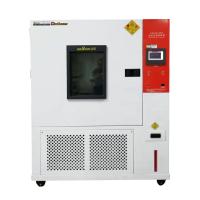
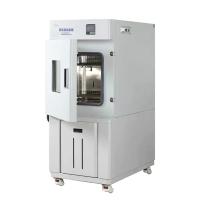
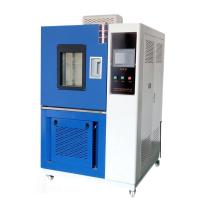
Generators are important equipment in the power industry, and their working environment may have high or low temperature conditions, which may affect their performance and life. Therefore, it is necessary to conduct high-low temperature tests on generators. The high-temperature test can detect the electrical performance, mechanical performance and durability of the generator in a high-temperature environment; the low-temperature test can detect the starting performance, electrical performance and mechanical performance of the generator in a low-temperature environment. Through the high-low temperature test, the performance and reliability of the generator in different temperature environments can be evaluated to provide guarantee for its practical application. At the same time, high-low temperature tests can also help manufacturers discover possible problems, make adjustments and improvements, and improve the quality and competitiveness of generators.
experiment method
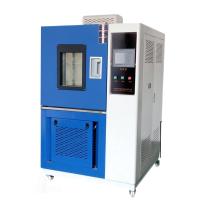
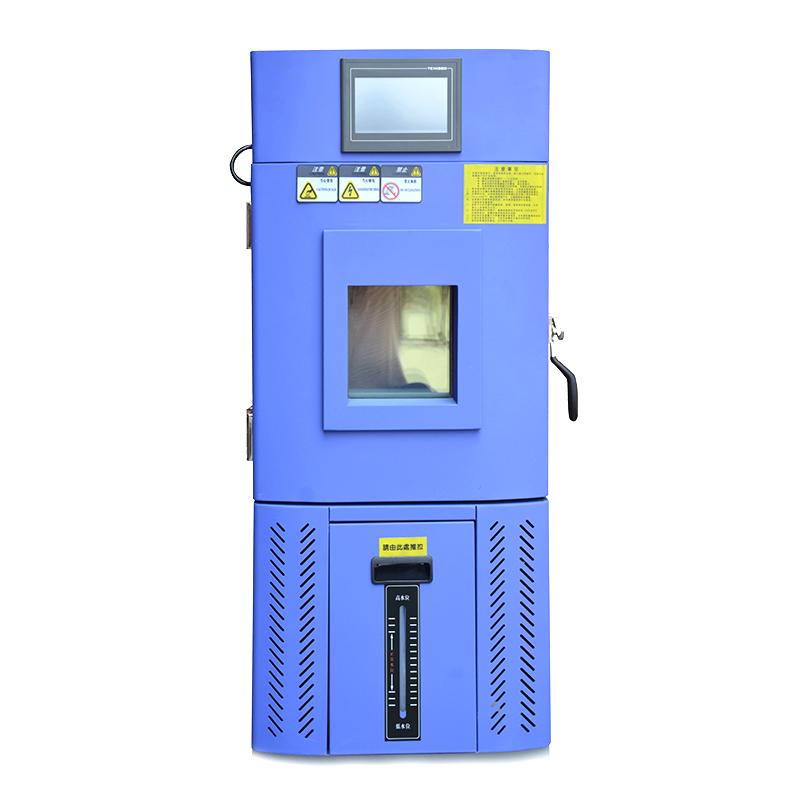
The high-low Temperature Test Chamber can be used for the high-low temperature resistance test of the generator to ensure the performance and stability of the generator under different temperature conditions. The following are the general test steps:
Check that the generator is shut down, make sure that all wiring is secure and that instruments and specimens are placed correctly.
Set the temperature of the high-low Temperature Test Chamber to the target temperature and wait for the temperature to stabilize.
Place the sample in the high-low Temperature Test Chamber, start the Test Chamber and start the test.
Test according to the specified time and temperature, for example, the temperature can be gradually increased from room temperature to the target temperature and maintained for a period of time, and then gradually decreased and maintained for a period of time.
During the test, check whether the sample works normally, record the test data and observe whether there is any abnormal situation.
After the test is completed, close the high-low Temperature Test Chamber, take out the sample, check whether the sample is damaged, and record the test results.
Beichao reminds you: the specific test steps may vary with different generator types and specifications. Before the test, it is necessary to carefully read the relevant instructions of the test box and the sample, and operate according to the requirements.