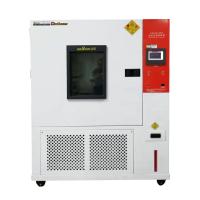
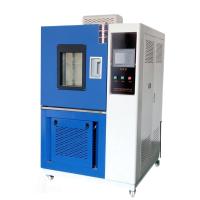
Ships need to undergo high-low temperature resistance tests because they will face different climate and environmental conditions during sea voyages, such as extreme high temperature, low temperature, high humidity and low humidity, etc. These conditions can adversely affect a ship's materials, equipment and systems, leading to performance degradation, failure and damage. Therefore, through the high-low temperature resistance test, the reliability and durability of the ship under different environmental conditions can be ensured, and its normal operation and completion of tasks in the harsh maritime environment can be guaranteed.
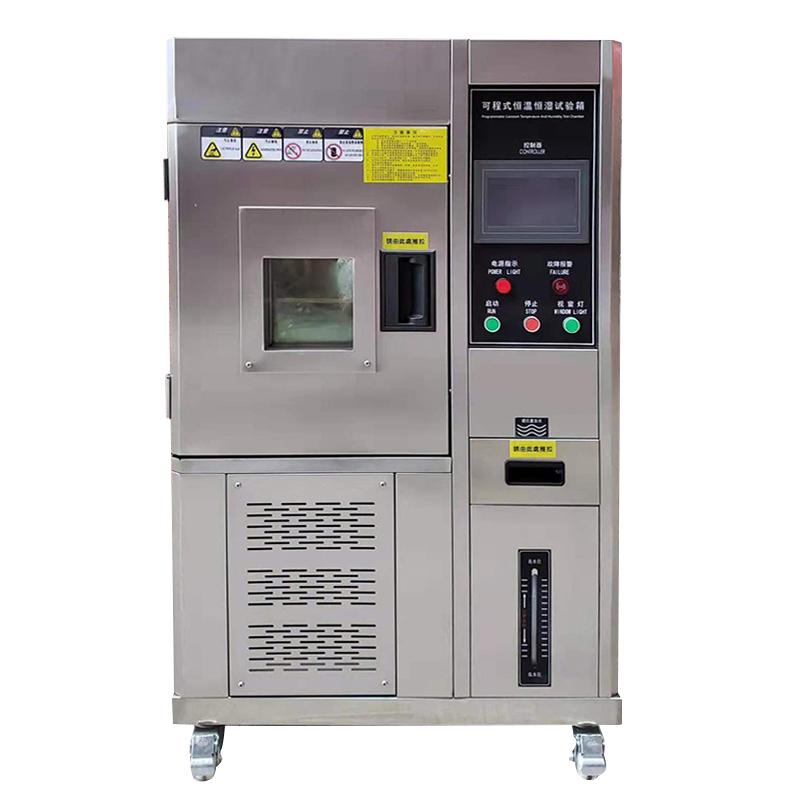
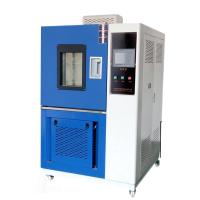
The high-low Temperature Test Chamber is mainly used in the high-low temperature resistance test of the ship to test and evaluate the resistance performance of various materials, equipment and systems of the ship in the extreme high-low temperature environment, so as to ensure the reliability and durability of the ship. The following are the application and test steps in the high-low temperature resistance test of warships:
application
Testing of electrical equipment and systems: Conduct electrical equipment and system testing in high-low Temperature Test Chambers, including generators, ship cables, control panels, etc. These devices and systems need to be tested at different temperatures to verify their reliability under different conditions.
Hull material testing: test various hull materials, such as steel, aluminum alloy, etc., in high-low Temperature Test Chambers to evaluate their performance and reliability at different temperatures.
Marine equipment and system testing: test marine equipment and systems, such as drainage systems, air-conditioning systems, communication systems, etc., to ensure their reliability in extreme high-low temperature environments.
experiment procedure
Determine the test temperature range: According to the actual application environment and specification requirements, determine the temperature range of the high-low temperature test.
Prepare samples: place the ship materials, equipment and systems to be tested in the high-low Temperature Test Chamber.
Set test parameters: set test parameters, including temperature, humidity, time, etc.
Start the test: start the high-low Temperature Test Chamber and start the test.
Observe the test results: Observe the performance of the sample in the high-low Temperature Test Chamber, such as whether there is deformation, cracking, falling off, discoloration, etc.
Record data and analysis results: record test data, and analyze and evaluate according to test results to determine the resistance performance of samples at different temperatures.