Magnesium alloy is a material with light weight, high strength and high specific stiffness, so it is widely used in aviation, automobile, electronics and other fields. However, magnesium alloys also face some challenges during use, one of which is their resistance to high-low temperature environments.
In a high temperature environment, magnesium alloys are prone to problems such as thermal softening, oxidation, and corrosion, which lead to material performance degradation and structural failure. In a low temperature environment, magnesium alloys are prone to brittle fracture, deformation and other problems, which will also affect their reliability and service life.
Therefore, testing the tolerance of magnesium alloys in high-low temperature environments can help evaluate the performance and reliability of materials, and provide a basis for further improving material design and optimizing processes to meet the needs of practical applications. At the same time, these tests can also provide basic data and reference standards for material research and development.
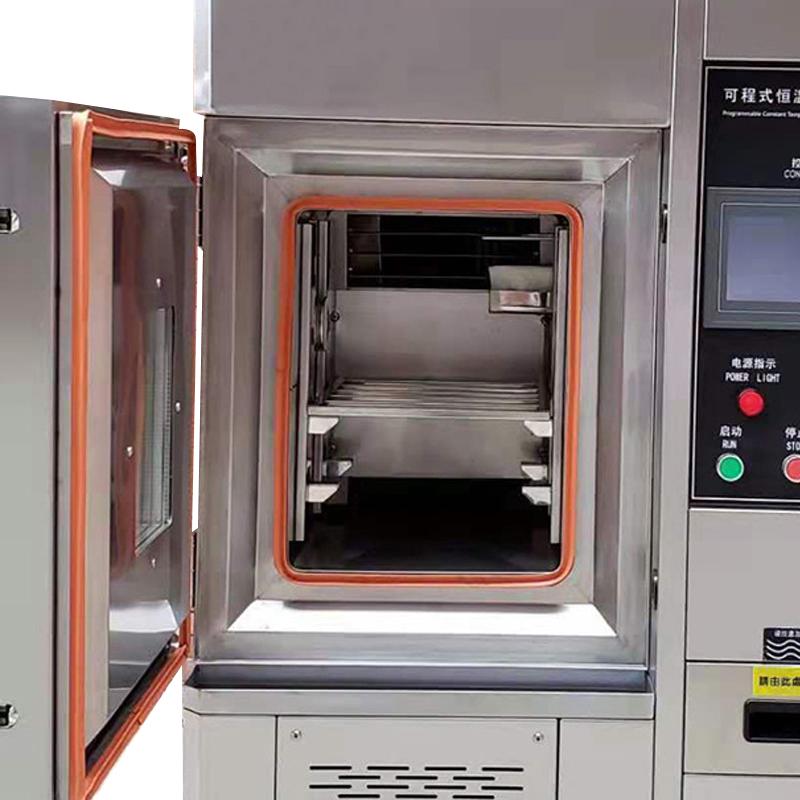
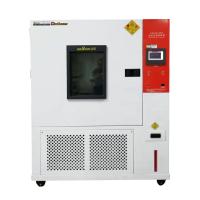
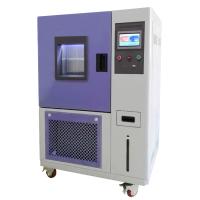
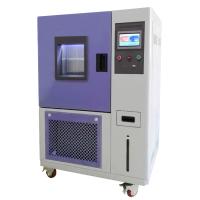
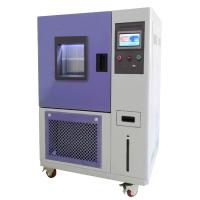
The high-low Temperature Test Chamber can be used to test the performance of materials or products in high-low temperature environments, so it can be used to test the performance of magnesium alloys in terms of high-low temperature resistance. However, NBCHAO draws attention first: the use of high-low Temperature Test Chambers needs to be carried out in accordance with relevant standards and specifications, so as not to cause too much interference to the accuracy and reliability of test results.
Here are the steps for this test:
Sample preparation: cut out the required number of magnesium alloy plates to meet the specifications, and treat the surface of the sample as required.
Place the sample in the high-low Temperature Test Chamber: place the sample in the Test Chamber of the high-low Temperature Test Chamber. The temperature range in the Test Chamber should be set according to the required test conditions.
Preheating: Prior to temperature cycling testing, the specimen needs to be preheated in a high temperature environment to ensure uniform temperature of the specimen and to relieve any stress on its surface.
Temperature cycle test: Set the temperature cycle program of the high-low temperature box according to the required test conditions, so as to expose the sample to high temperature and low temperature environment within a certain time range. The number and duration of cycles should be adjusted according to the desired test conditions.
Analysis of test results: According to the test requirements and standards, conduct various performance tests on the samples, including but not limited to appearance changes, dimensional stability, mechanical properties, chemical properties, thermal properties, etc. At the same time, record the environmental parameters such as temperature and humidity of the sample during the test.
Result evaluation: By comparing the performance and parameter data of the sample before and after the test, as well as the changes in the appearance and size of the sample, the performance and durability of magnesium alloys in high-low temperature environments are evaluated.