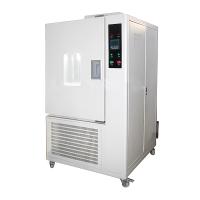
The high-low temperature performance test of sheet metal materials is to evaluate its durability and stability in high-low temperature environments. This is necessary because sheet metal is often subjected to different temperature environments in various applications.
In high temperature environments, sheet metal can expand and deform, which can lead to component failure. In low temperature environments, sheet metal may become brittle, prone to cracking and fracture, and may also lead to component failure. Therefore, for sheet metal components that need to be used in high or low temperature environments, high-low temperature tests are required to ensure that they can maintain structural integrity and stability under different temperature conditions.
High-low temperature tests can be performed by heating and cooling tests in a constant temperature environment, or by testing under actual use conditions. During the test, the surface temperature of the sheet metal can be measured by using a thermocouple or other temperature sensor in order to evaluate its high-low temperature performance.
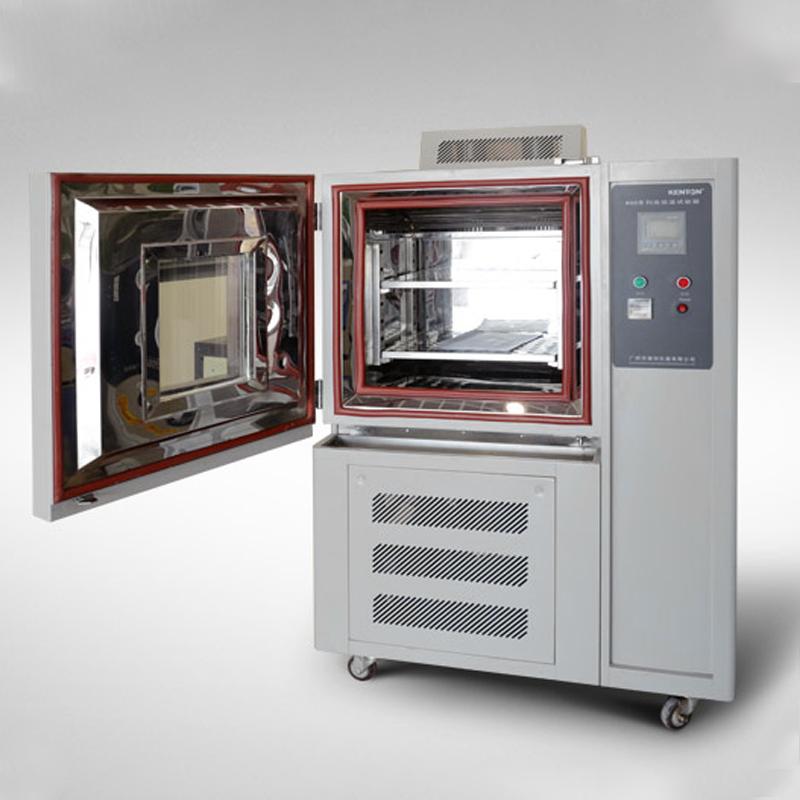
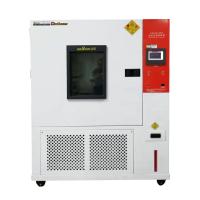
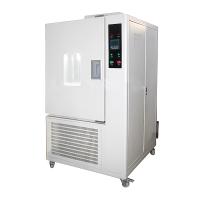
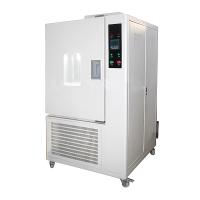
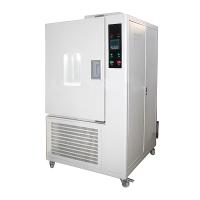
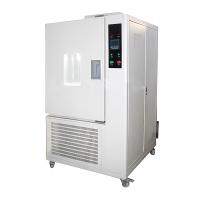
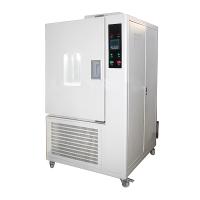
The application of the high-low Temperature Test Chamber in the high-low temperature resistance test of sheet metal materials is mainly to test the physical properties and durability of sheet metal materials in extreme temperature environments, such as strength, toughness, deformation, oxidation resistance, etc. These data can help manufacturers understand the performance and life of sheet metal materials under different environmental conditions, thereby providing a more reliable basis for product design and material selection.
The following are the general test steps of the high-low Temperature Test Chamber in the high-low temperature resistance test of sheet metal materials:
According to test standards or needs, sheet metal samples are cut or formed into specified sizes and shapes.
Place the prepared samples in a high-low Temperature Test Chamber, and set the test temperature and time according to the test requirements.
When the test starts, the high-low Temperature Test Chamber will automatically heat up or cool down. After reaching the set temperature, keep it for a certain period of time, and then return to room temperature. This process can simulate different temperature cycles, such as rapid temperature change, slow temperature change, heat shock, cold shock, etc.
Take out the test sample, and conduct visual inspection, dimension measurement, weight determination, surface quality evaluation and other analysis as required.
Through the analysis and comparison of test data, the change rules and trends of physical properties and durability of sheet metal materials under different temperature environments are obtained, such as deformation degree, oxidation resistance, fatigue life, etc.
According to the test results, formulate corresponding improvement measures and optimization schemes to improve the performance and quality of sheet metal materials.
When conducting high-low temperature tests, Beichao reminds you that you need to choose the appropriate test temperature and time, as well as the appropriate sample size and shape, to ensure the accuracy and reliability of the test results. At the same time, pay attention to safe operation during the test to avoid damage to the sample or failure of the test box.