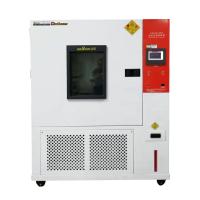
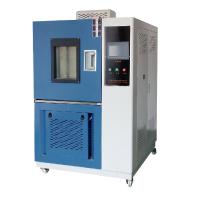
Galvanized parts may change under different temperature environments, such as corrosion, oxidation, shedding, etc., so high-low temperature tests are required to test their resistance. At high temperatures, the galvanized coating may lose its anti-corrosion properties, while at low temperatures, the galvanized coating may become brittle or crack. Through the high-low temperature resistance test, the reliability and performance of galvanized parts under different temperature conditions can be determined, so as to ensure its stability and durability in practical applications.
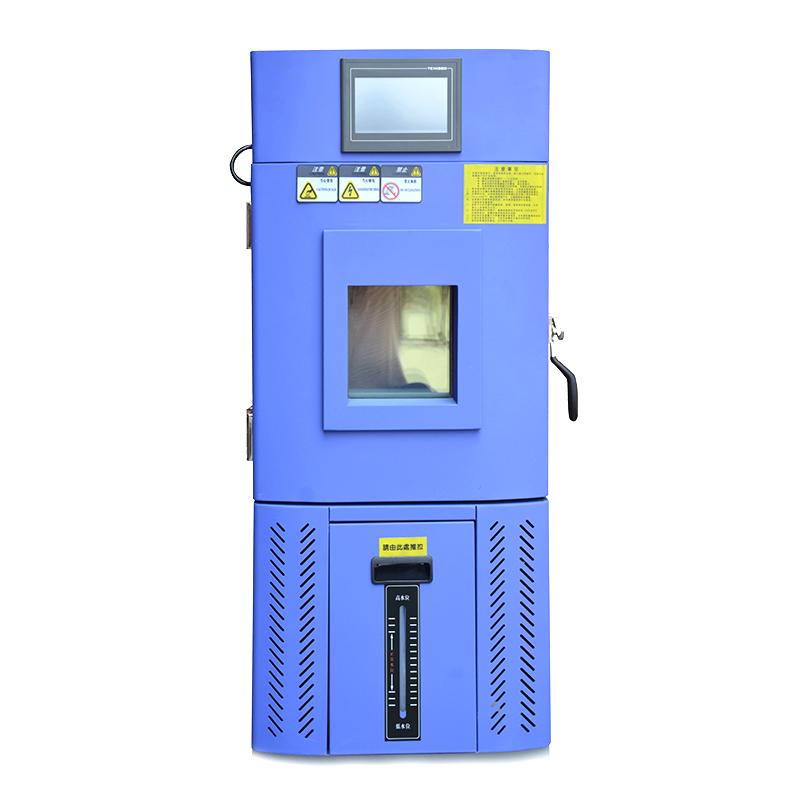
The high-low Temperature Test Chamber can be used for high-low temperature resistance tests of galvanized parts to evaluate the performance and stability of materials under extreme temperature conditions, including corrosion resistance, wear resistance, etc.
experiment method
Here are the test steps:
Select a suitable high-low Temperature Test Chamber according to the test requirements, and preheat according to the prescribed procedures to ensure that the temperature in the Test Chamber is stable and within the set temperature range.
Place the galvanized parts to be tested in the Test Chamber to ensure that the surface of the samples is free from contamination and damage, and that the samples do not touch or overlap.
Set the chamber temperature to the desired high or low temperature for a certain period of time, usually hours or days, to achieve a steady state.
Take out the sample and observe whether its surface changes, such as rust, discoloration, and peeling off.
Return the sample to room temperature, and observe whether the surface changes again, such as cracking and peeling.
According to the test requirements, multiple cycle tests are carried out to verify the durability and stability of the samples.
Precautions
When conducting high-low temperature tests, the following items should be paid attention to:
Samples should avoid contact with the inner wall of the Test Chamber, so as not to affect the test results.
When conducting low-temperature tests, attention should be paid to the freezing of moisture inside the Test Chamber to avoid damage to the samples.
According to different test standards and requirements, parameters such as temperature, humidity and cycle time of the Test Chamber can be adjusted to meet different test needs.
During the test, the operating status and equipment of the Test Chamber should be checked and maintained regularly, so as not to cause too much interference to the accuracy and reliability of the test results.