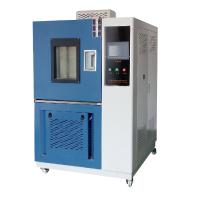
Photovoltaic modules need to withstand temperature changes in different environments in practical applications, so high-low temperature resistance tests are required to evaluate their performance and reliability at different temperatures. High temperature tests can verify the thermal stability, photoelectric conversion efficiency and electrical performance of photovoltaic modules, while low temperature tests can evaluate their tolerance and performance changes in cold environments. Through these tests, the applicability and limitations of photovoltaic modules at different temperatures can be determined, providing a basis for their selection and design in practical applications.
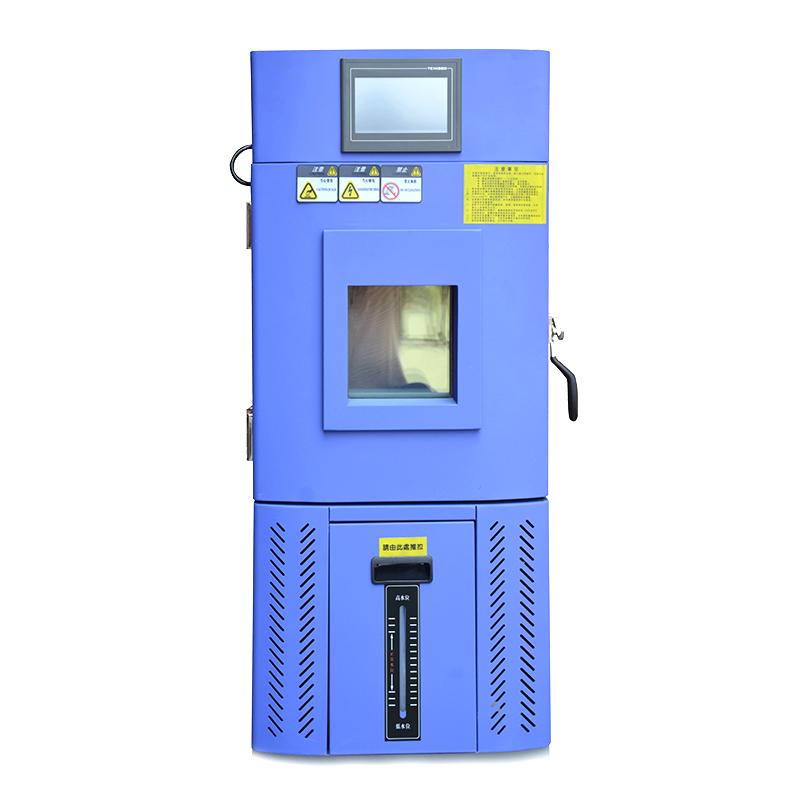
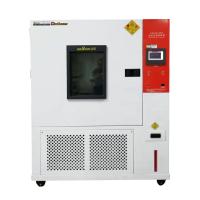
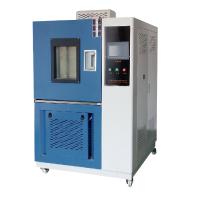
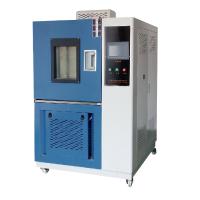
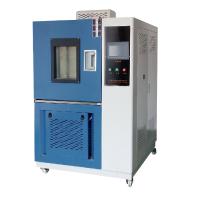
The high-low Temperature Test Chamber is one of the common applications in the high-low temperature resistance test of photovoltaic modules. The following are the test steps:
1. Prepare samples: select photovoltaic module samples that meet the requirements.
2. Temperature setting: Set the temperature range in the high-low Temperature Test Chamber according to the requirements, usually between -40°C and 85°C.
3. Humidity setting (optional): Set the humidity range in the high-low Temperature Test Chamber according to the requirements, usually between 10% and 90%.
4. Place the sample: put the sample in the high-low Temperature Test Chamber, and make sure that the distance between the samples is appropriate to fully expose to the temperature change.
5. Start-up test: start the high-low Temperature Test Chamber, and start the high-low temperature cycle test. Typically set to cycle between high-low temperatures for as long as required.
6. Observation results: Record the performance changes of the sample under different temperature and humidity conditions, including electrical properties, mechanical properties, chemical properties, etc., to determine whether the high-low temperature resistance of the sample meets the requirements.
7. Analysis results: Analyze the high-low temperature resistance performance of the sample according to the test results, and evaluate its scope of application and service life.
To sum up, the application of high-low Temperature Test Chambers in the high-low temperature resistance test of photovoltaic modules can help manufacturers evaluate the tolerance and reliability of products, thereby improving the quality and competitiveness of products.