Electromagnets need to be tested for high-low temperature resistance because during use, electromagnets will face different temperature changes and environmental conditions, such as high temperature, low temperature, humidity, etc. These conditions may adversely affect the electrical properties, mechanical strength and stability of the electromagnet, leading to malfunction and failure of the electromagnet. Therefore, by conducting high-low temperature resistance tests, the reliability and durability of the electromagnet in different environments can be verified to ensure that it can work normally and have stable performance and quality under various extreme conditions, so as to meet various applications and requirements .
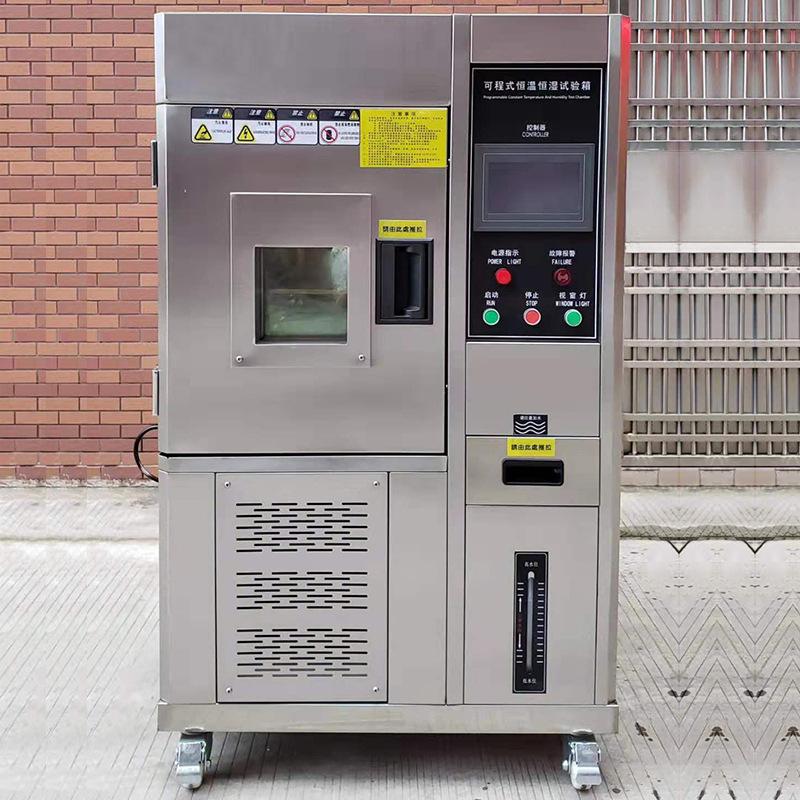
experiment method
The high-low Temperature Test Chamber is a commonly used test method in the high-low temperature resistance test of electromagnets, which can be used to test the performance and reliability of electromagnets in extreme high-low temperature environments. Here are the steps for the test:
According to relevant standards or specifications, determine the temperature range and test time of the test.
Place the electromagnet to be tested in a high-low temperature test box, and gradually increase or decrease the temperature of the box to the required temperature.
During the test, the rated voltage can be applied to the electromagnet as needed, and the working status and characteristic parameters of the electromagnet, such as current, resistance, and relay operating time, can be recorded.
After the test is completed, return the high-low Temperature Test Chamber to normal temperature, take out the tested electromagnet, and check whether its appearance and performance have changed.
According to the test results, the high-low temperature resistance performance and reliability of the electromagnet are analyzed, and corresponding conclusions and suggestions are made.
NBCHAO reminds you: During the test process, the test conditions should be strictly controlled to avoid inaccurate or unreliable test results due to improper operation or unreasonable test conditions. At the same time, it is also necessary to ensure the safety during the test and avoid damage to personnel and equipment due to unexpected situations during the test.