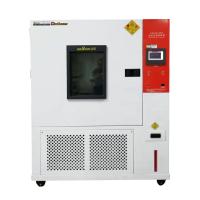
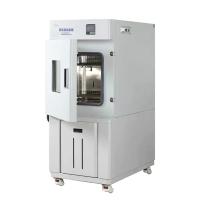
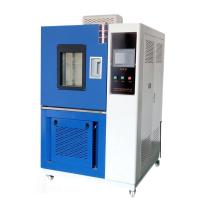
Electromechanical components need to be tested for high-low temperature resistance because during use, electromechanical components will face different temperature changes and environmental conditions, such as high temperature, low temperature, humidity, etc. These conditions can adversely affect the electrical, mechanical, and stability properties of electromechanical components, leading to failure and failure of electromechanical components. Therefore, by conducting high-low temperature resistance tests, the reliability and durability of electromechanical components in different environments can be verified to ensure that they can work normally and have stable performance and quality under various extreme conditions, so as to meet various industrial applications and Require.
experiment method
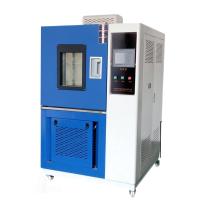
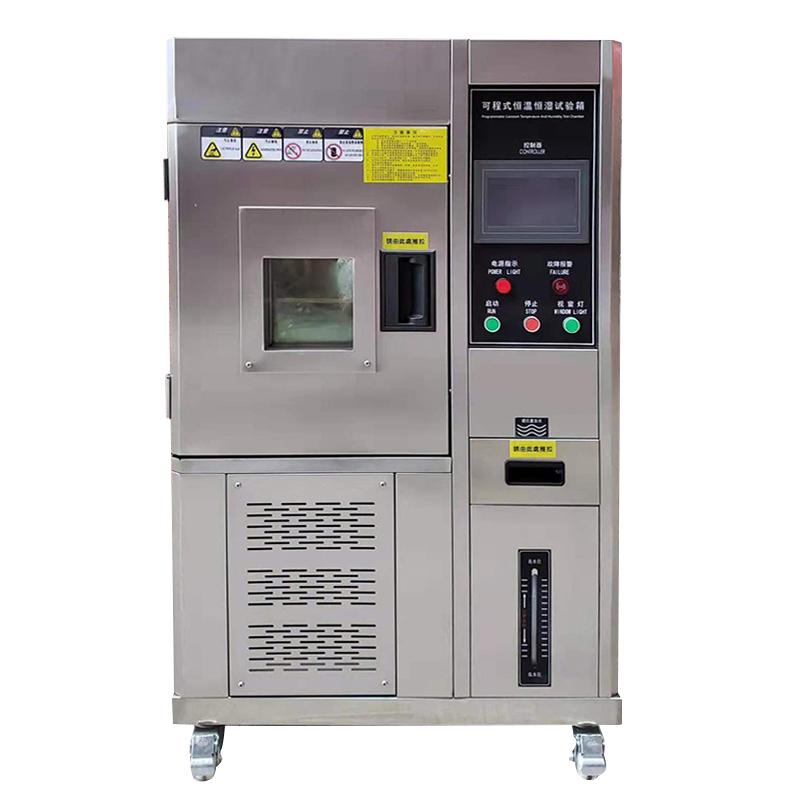
High-low Temperature Test Chambers are widely used in high-low temperature resistance tests of electromechanical components, mainly for high-low temperature alternating stress cycle tests on mechanical, electronic and electrical components to evaluate their reliability and durability under extreme temperature conditions. The following are the general steps for the high-low temperature resistance test of electromechanical components:
Sample preparation: According to test standards and requirements, select appropriate electromechanical components as test samples, and process and install them in accordance with relevant requirements to ensure the accuracy and reliability of the test.
Environment setting: set the required temperature range and lifting rate in the high-low Temperature Test Chamber, and determine the parameters such as test time and stress cycle times.
Preheating: Preheating the test specimens by placing them in a high temperature environment to eliminate any residual stress or deformation that may exist.
Stress cycle test: Under the set high-low temperature conditions, the stress cycle test is carried out on the test sample. During the test, monitor the temperature, electrical properties, mechanical properties and other parameters of the sample, and record the corresponding data.
Observation and evaluation: After completing the stress cycle test, observe the test sample for damage or performance degradation, and evaluate its high-low temperature resistance performance. A test sample is considered to have good durability and reliability if it shows no damage or degradation in performance.
Result recording: record and count test results, and write test reports. The test report should include parameter settings, data records, observation and evaluation results and conclusions during the test for subsequent reference and analysis.