Electroacoustic devices need to be tested for high-low temperature resistance because during use, electroacoustic devices will face different temperature changes and environmental conditions, such as high temperature, low temperature, humidity, etc. These conditions may adversely affect the acoustic performance, electrical performance and stability of the electro-acoustic device, resulting in changes in the output sound, sound pressure level, frequency response and other parameters of the electro-acoustic device or problems such as noise. Therefore, by conducting high-low temperature resistance tests, the reliability and stability of electroacoustic devices in different environments can be verified to ensure that they can work normally and have stable performance and quality under various extreme conditions, so as to meet the needs of various audio equipment and application requirements.

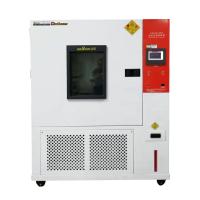
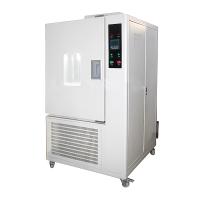
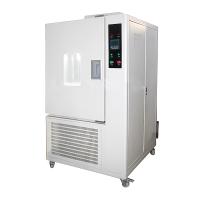
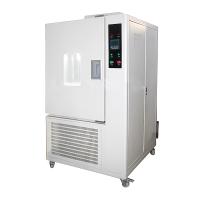
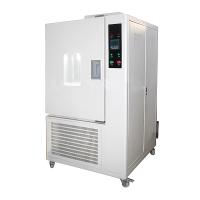
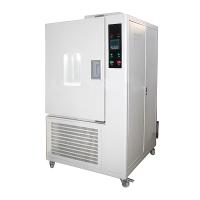
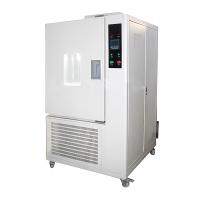
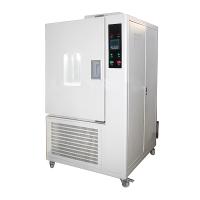
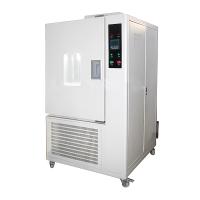
The high-low Temperature Test Chamber can simulate extreme high temperature and low temperature environments in the high-low temperature resistance test of electroacoustic devices to test electroacoustic devices. These electro-acoustic devices may include speakers, microphones, headphones, sound systems, etc. The purpose of the test is to test the performance and reliability of electroacoustic devices under high-low temperature conditions, and to evaluate whether they can work normally in harsh environments.
experiment method
The following are the basic steps of high-low temperature resistance test of electroacoustic devices:
According to the test requirements, the electroacoustic device to be tested is placed in a high-low Temperature Test Chamber, and parameters such as the test temperature range and temperature rise and fall rate are set.
Set the temperature of the Test Chamber to the highest or lowest temperature and keep it for a period of time to make the device under test reach a temperature equilibrium state.
Perform functional tests on the electro-acoustic device to be tested, such as playing audio, recording sound, etc.
Perform performance tests on electroacoustic devices to be tested, such as frequency response, distortion, sensitivity, signal-to-noise ratio and other parameters.
The high-low temperature cycle test is repeated, that is, the temperature of the Test Chamber changes back and forth within the range of high-low temperatures until the set number of cycles is reached.
After the test, the electro-acoustic device under test is subjected to visual inspection and performance test to determine whether it has been damaged or its performance has been reduced.
In short, the high-low temperature resistance test of electroacoustic devices can help manufacturers evaluate the reliability and performance of products in extreme environments, so as to ensure that they can work normally under various conditions.