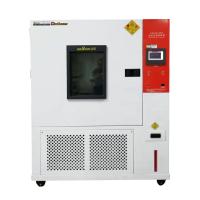
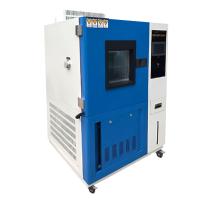
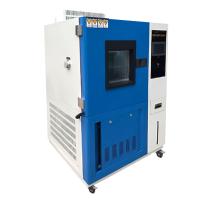
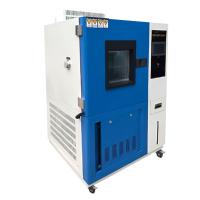
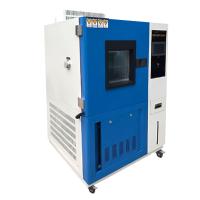
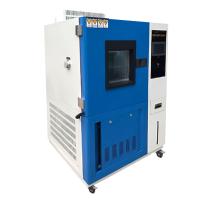
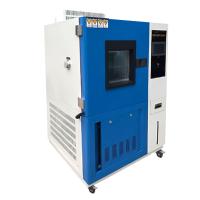
A connector is a component used to connect electronic devices. In actual use, it needs to withstand the influence of various temperature environments. For example, at high temperatures, connectors may be deformed, expanded, broken or oxidized; at low temperatures, The flexibility and conductivity of the connector may decrease. Therefore, the high-low temperature resistance test can evaluate the stability and reliability of the connector at different temperatures, so as to ensure that it can be connected normally and maintain good electrical performance in various temperature environments, and avoid the connector from appearing due to temperature changes. problems such as failure or damage. The high-low Temperature Test Chamber can simulate different environments and temperatures to ensure the performance and stability of the connector in various environments.

experiment procedure
Prepare connector samples and record the number and parameters of each sample.
Put the connector sample into the high-low Temperature Test Chamber.
Set the temperature and humidity of the high-low Temperature Test Chamber according to the use environment of the connector, and conduct the temperature cycle test. Usually, the temperature range of the temperature cycle test is -40°C to +85°C, and the number of cycles is more than 100 times.
After the temperature cycle test, a high temperature aging test is carried out. Set the temperature of the Test Chamber between 85°C and 100°C, and the duration is more than 100 hours.
After the high temperature aging test, a low temperature cooling test was carried out. Set the temperature of the Test Chamber between -40°C and -60°C for a duration of more than 4 hours.
After each test, take out the samples for observation and testing, and record the performance and changes of the connector.
According to the test results, evaluate the reliability and stability of the connector to determine whether it meets the requirements.
If necessary, improve according to the test results, and re-do the high-low temperature test until it meets the requirements.