Liquid crystal device is a basic electronic display device, which needs to withstand the influence of various temperature environments in actual use. For example, at high temperature, liquid crystal device may have problems such as pixel death and color distortion; at low temperature, the reaction of liquid crystal device The speed may be slower and affect the display effect. Therefore, the high-low temperature resistance test can evaluate the stability and reliability of liquid crystal devices at different temperatures, so as to ensure that they can display normally in various temperature environments, and maintain good color performance and response speed, avoiding temperature changes. resulting in failure and damage.
Liquid crystal device is a high-precision, high-sensitivity electronic component, which is generally used in display devices, such as TVs and mobile phones. During use, liquid crystal devices need to withstand various environmental temperature changes, so high-low temperature tests are required to test their tolerance.
experiment procedure:
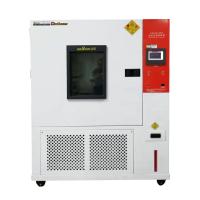
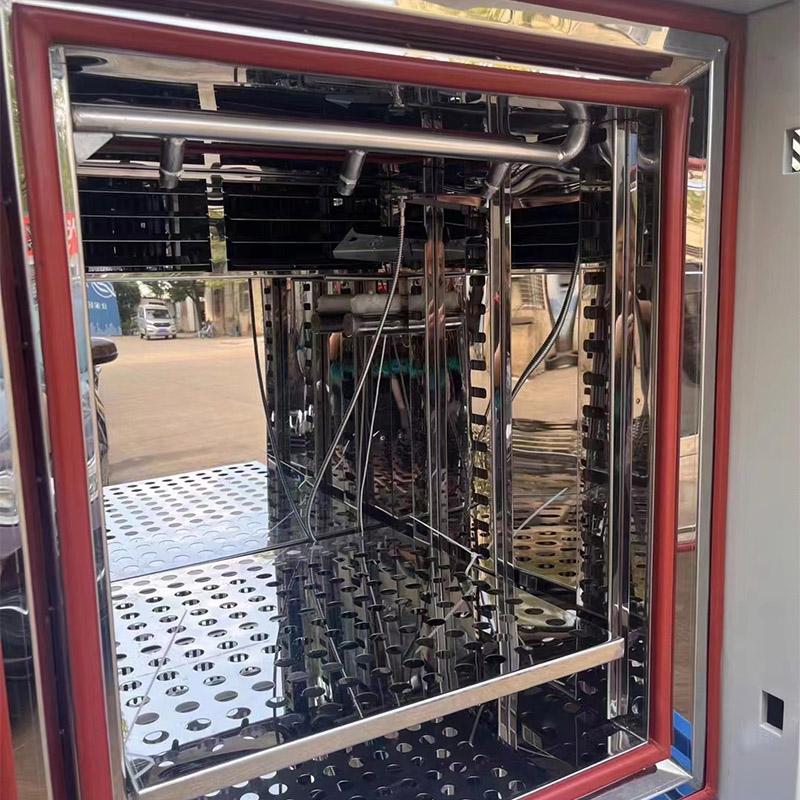
Put the liquid crystal device to be tested into the high-low Temperature Test Chamber, and pay attention that there should be no water droplets or dirt on the surface of the liquid crystal device.
Set the temperature range and change rate of the Test Chamber. Generally, set the temperature value and holding time of high temperature and low temperature according to the test requirements.
Start the test, let the test box automatically raise and lower the temperature to the set value, and keep it for a period of time.
Carry out multiple tests according to the test requirements to check the stability and durability of the liquid crystal device.
After the test, take out the liquid crystal device, and conduct appearance inspection and performance test, such as pixel brightness, contrast, response speed, etc.
Precautions:
During the test, the temperature distribution in the Test Chamber should be ensured to avoid the influence of the local temperature on the test results.
The surface of the liquid crystal device should be kept dry and clean so as not to affect the test results.
Before testing, it is necessary to determine the temperature range and rate of change of the test to ensure the reliability of the test results.