Silicon wafers are also affected by temperature during use. High or low temperatures may cause changes in the internal structure of the wafer, thereby affecting the performance and reliability of the wafer. Therefore, in order to ensure that silicon wafers can work normally in various extreme environments, high-low temperature resistance tests are required. By simulating different temperature conditions, the stability, reliability and performance of silicon wafers at high-low temperatures can be tested to evaluate its applicability and reliability in various application scenarios and provide reference for product development and production and security.
The high-low Temperature Test Chamber is very important in the high-low temperature resistance test of silicon wafers. This is because silicon wafers are widely used in electronic devices such as computers, mobile phones, tablets, etc. During operation, silicon wafers will be affected by high-low temperature environments, so high-low temperature tests are required to ensure their stability and reliability.
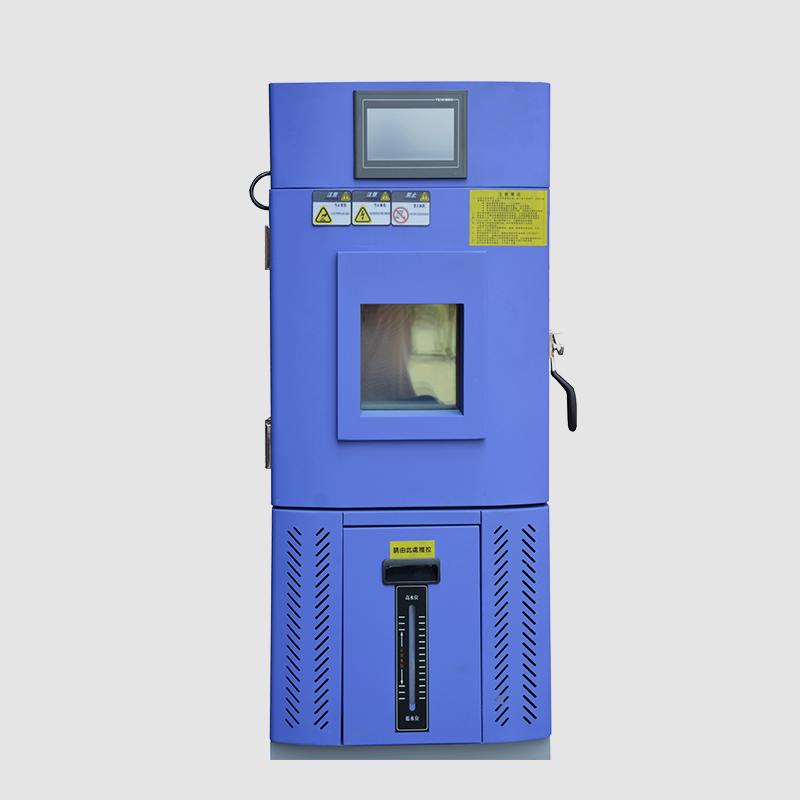
experiment procedure:
A sample of the silicon wafer to be tested is prepared and inspected for external damage.
According to the test requirements, set the test parameters such as the temperature range, temperature change rate, and holding time of the high-low Temperature Test Chamber.
Put the sample into the high-low Temperature Test Chamber, and place it as close as possible to the temperature controller.
Start the high-low Temperature Test Chamber, and test according to the set test parameters. During the test, data such as the surface state and electrical parameters of the silicon wafer can be observed and recorded.
When the test is completed, close the high-low Temperature Test Chamber, take out the sample and check its appearance for damage. Analyze and evaluate based on test results.
*When conducting high-low temperature tests, excessive temperature changes and long holding times should be avoided to avoid irreversible damage to the sample. At the same time, during the test process, the test box should also be regularly maintained and calibrated to avoid too much interference with the accuracy and reliability of the test results.