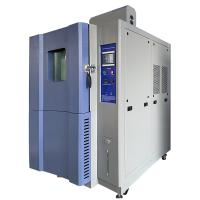
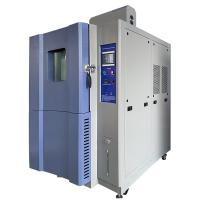
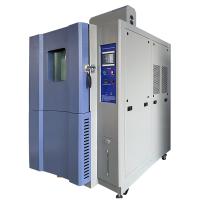
Rubber and plastic are elastic materials widely used in the manufacture of various industrial components such as seals, pipes, gaskets, and sealing rings. During actual use, these parts may encounter different temperature conditions, such as high temperature, low temperature, thermal cycle, etc. Therefore, high-low temperature resistance tests are required to evaluate the performance and reliability of rubber and plastics under different temperature conditions. High temperature tests can test the heat resistance, strength and elasticity of rubber and plastics, while low temperature tests can evaluate their flexibility and elasticity in low temperature environments. Through these tests, the applicability and limitations of rubber and plastic at different temperatures can be determined, providing guidance and guarantee for its actual use. At the same time, high-low temperature resistance tests can also help manufacturers optimize material formulations and production processes, and improve product quality and reliability.
experiment method
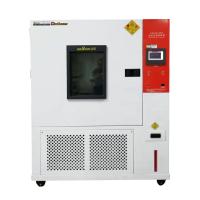
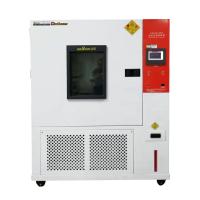
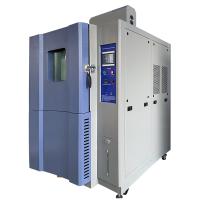
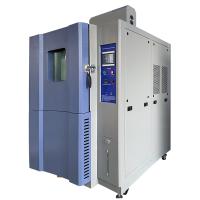
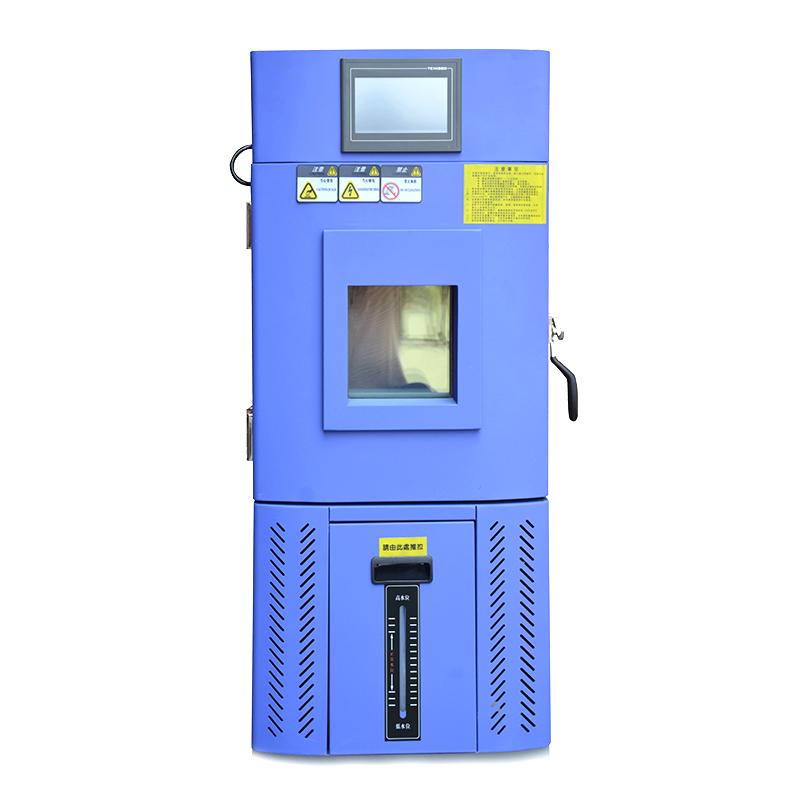
The high-low Temperature Test Chamber is widely used in high-low temperature resistance tests of rubber and plastic materials, and is used to test the durability and performance changes of materials under high-low temperature environments. The following are the general steps of the high-low temperature resistance test of rubber and plastic:
Sample Preparation: Cut a standard size sample from the rubber material, making sure that the surface is clean and free from obvious defects.
Preheating: Put the sample in the high-low Temperature Test Chamber, and raise the temperature of the Test Chamber to the preset high temperature, and keep it for a period of time to allow the sample to reach temperature equilibrium.
High temperature exposure: Raise the temperature of the high-low Temperature Test Chamber to the required high temperature, usually between 50°C and 200°C. The sample is exposed at this temperature for a certain period of time, typically 24 to 72 hours.
Cooling: Lower the temperature to the required low temperature, usually between -20°C and -80°C, and keep it for a period of time to achieve temperature equilibrium.
Low temperature exposure: Expose the sample at low temperature for a certain period of time, usually 24 to 72 hours.
Cycle test: Repeat the cycle of high temperature and low temperature environment, usually 5 to 10 cycles, to test the performance change of the sample after multiple cycles.
Observation: Observe whether the sample has cracks, discoloration, deformation, etc., record and compare the data of each cycle to evaluate the performance and durability of the rubber material.
To sum up, the high-low Temperature Test Chamber is an important tool for testing the durability and performance changes of rubber and plastic materials under different temperature environments. Test procedures can be adjusted according to specific standards and requirements.