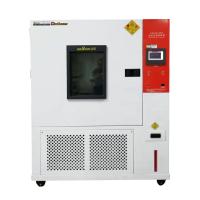
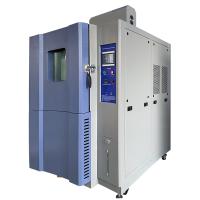
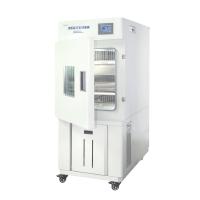
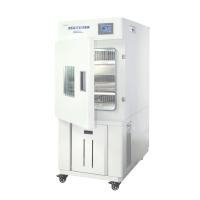
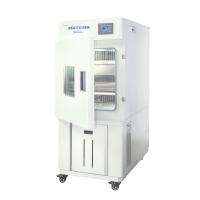
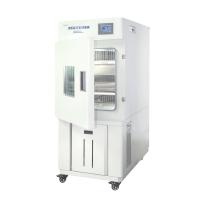
In the high-low temperature test of 5G communication system parts, the high-low Temperature Test Chamber can simulate the working state of the parts under various environmental conditions, so as to test whether they can work normally under extreme temperature conditions and ensure their stability and reliability. The following are the application and test steps of the high-low Temperature Test Chamber in the high-low temperature resistance test of 5G communication system parts:
application
The high-low Temperature Test Chamber can be applied to various components in the 5G communication system, such as high-low temperature resistance tests of microwave devices, radio frequency devices, antennas, optical fibers, cables, etc. Through long-term testing at different temperatures, the performance, stability and life of these components in high-low temperature environments can be tested to provide guarantee for product quality.

experiment procedure
Prepare test samples: select 5G communication system components that meet the specification requirements, mark and record relevant information as required.
Set test conditions: Set test conditions such as test temperature, holding time, heating/cooling rate and other test conditions according to specifications and product requirements to ensure the repeatability and comparability of the test process and results.
Place the sample in the high-low Temperature Test Chamber: place the sample in the Test Chamber, and set the temperature control system to the required temperature, wait for the temperature of the sample to stabilize before testing.
Start the test: According to the test conditions, conduct high-low temperature cycle tests, record the performance and stability of the samples at different temperatures, and monitor the temperature changes of the samples and abnormal conditions during the test.
Data analysis and evaluation: conduct data analysis and evaluation of the test results, evaluate and judge the performance and life of the sample according to the specifications and product requirements, and determine whether the sample is qualified.
End the test: After the test is over, stop the temperature control system in the Test Chamber, take out the test samples, and make relevant records and arrangements.