LED is a commonly used optoelectronic device, its performance and life are greatly affected by temperature. Therefore, high-low temperature resistance tests are required to test the photoelectric performance of LEDs in different temperature environments, including brightness, color, wavelength, etc. These tests can evaluate the stability and reliability of LEDs in high-low temperature environments, thus ensuring that LEDs can work stably and reliably in various application scenarios. At the same time, through the high-low temperature resistance test, the performance and service life of the LED can also be improved.
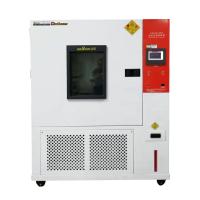
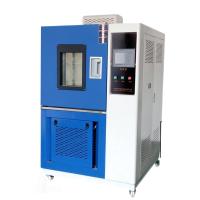
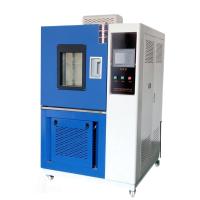
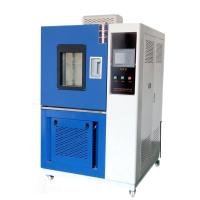
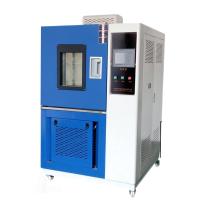
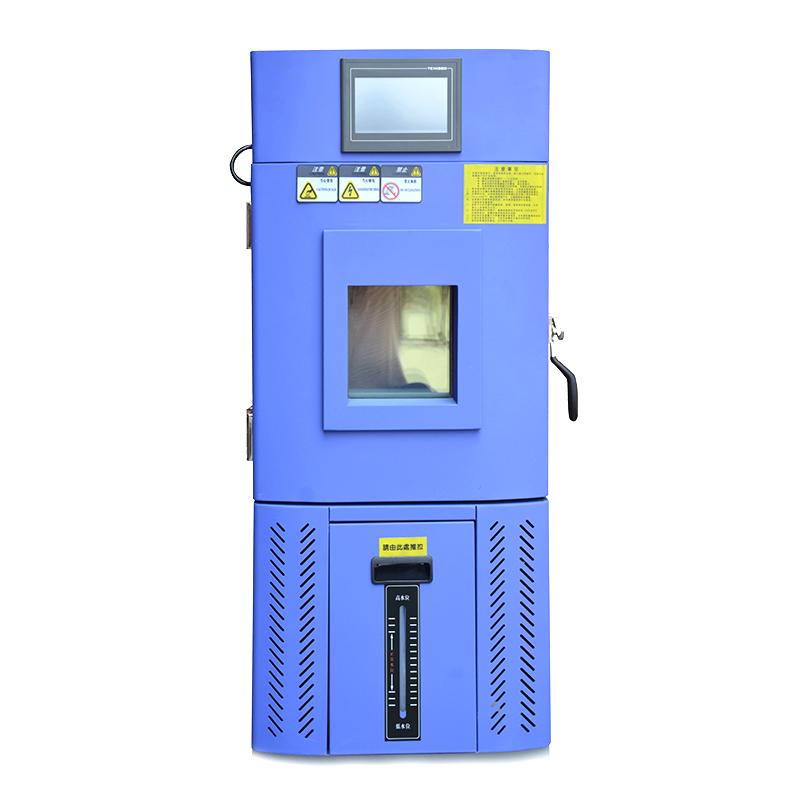
The high-low Temperature Test Chamber is a device used to simulate the performance and stability of items under extreme temperature conditions. In the LED (Light Emitting Diode) high-low temperature resistance test, the high-low Temperature Test Chamber can simulate the use environment of LED lamps under different temperature conditions to test their performance under extreme temperature conditions.
experiment method
The following are the general test steps of the high-low Temperature Test Chamber in the LED high-low temperature resistance test:
Sample preparation: install the LED sample to be tested on a special sample holder, and make sure the installation is firm.
Adjust the set temperature: set the high-low temperature range and temperature change rate of the Test Chamber, and adjust the temperature of the Test Chamber to the set high temperature state.
Continuous heating: put the LED sample in a high temperature environment, expose it to the high temperature environment, and keep it for a period of time to observe its performance change.
Adjust the set temperature: adjust the temperature of the Test Chamber to the set low temperature state, and wait for the temperature of the Test Chamber to stabilize.
Continuous cooling: put the LED sample in a low temperature environment, expose it to the low temperature environment, and keep it for a period of time to observe its performance change.
Multiple cycle tests: multiple cycle tests are performed as needed to simulate the temperature changes of LED lamps during long-term use.
Observation of test results: By observing and measuring the performance of LED samples, evaluate their stability and performance in high-low temperature environments.