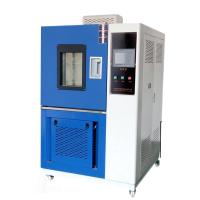
Lithium-ion batteries are an efficient, portable and environmentally friendly battery type that are widely used in electronics, automobiles and energy storage. In actual use, lithium batteries will face different temperature environments, such as high temperature, low temperature, and rapid temperature changes. Therefore, high-low temperature resistance tests are required to evaluate the performance and safety of lithium batteries under different temperature conditions. High temperature tests can test the thermal stability, capacity fading, life and safety of lithium batteries, while low temperature tests can evaluate their performance and safety in low temperature environments. At the same time, the rapid temperature change test can simulate the performance and safety of lithium batteries under sharp temperature changes. Through these tests, the applicability and limitations of lithium batteries in different temperature environments can be determined to provide guidance and guarantee for their actual use. At the same time, the high-low temperature resistance test can also help manufacturers optimize the design and production process of lithium batteries, and improve product quality and safety.
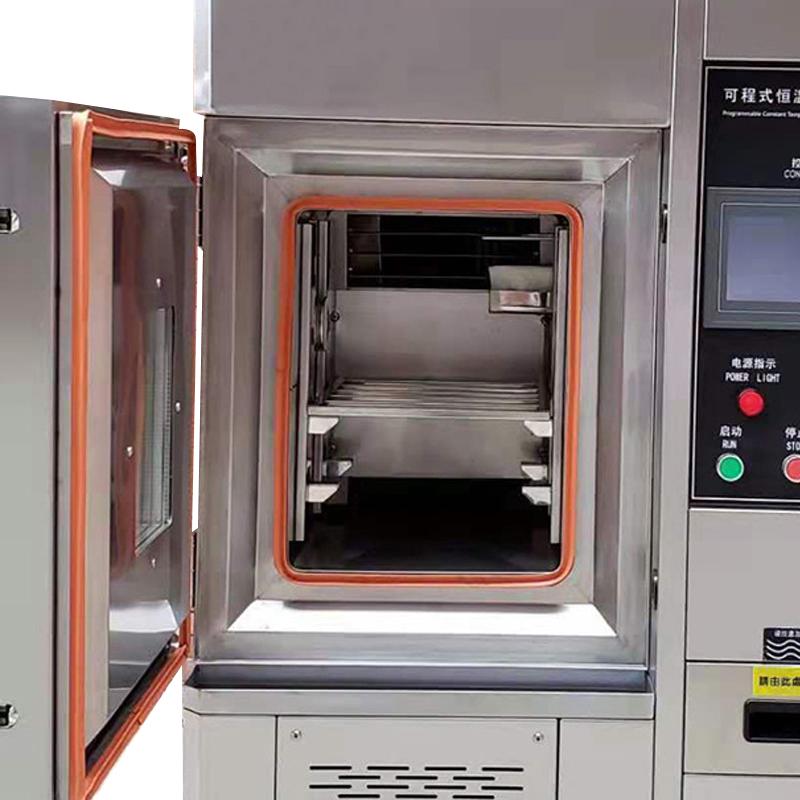
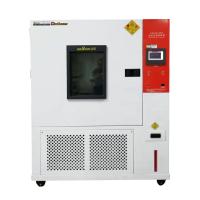
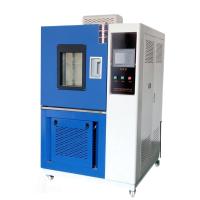
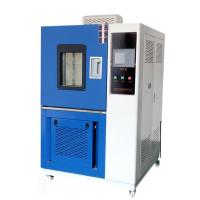
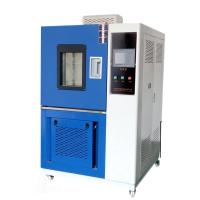
The high-low Temperature Test Chamber plays an important role in the high-low temperature resistance test of lithium batteries, and can be used to test the electrical performance and safety capabilities of lithium batteries in extreme high-low temperature environments. The following is its application and test steps:
The high-low Temperature Test Chamber can be used for the following lithium battery tests:
Lithium Ion Battery
lithium polymer battery
Li-ion polymer hybrid battery
Lithium iron phosphate battery
Lithium manganese oxide battery
Lithium cobalt oxide battery
NiMH batteries
experiment procedure:
Put the lithium battery into the high-low temperature test box, let it balance at room temperature for 10-30 minutes, and start the test after the temperature is stable.
Set the Test Chamber temperature to the desired temperature, usually -40°C to +85°C, and keep at the set temperature for several hours.
Return the temperature of the Test Chamber to room temperature, place the lithium battery at room temperature for several hours, and test it after its temperature stabilizes.
Test the voltage, current, capacity and other parameters of lithium batteries in high-low temperature environments.
Test the safety capabilities of lithium batteries such as overcharge, overdischarge, short circuit, and impact in high-low temperature environments.