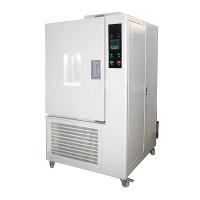
Silicone oil is a commonly used lubricating oil, and its performance such as viscosity, fluidity, and stability will be affected at different temperatures. Therefore, it is necessary to conduct high-low temperature resistance tests to test the performance of silicone oil under different temperature environments, including viscosity, fluidity, stability, etc. These tests can evaluate the resistance and stability of silicone oil in high-low temperature environment, so as to ensure that the silicone oil can work stably and reliably in various application scenarios. At the same time, through the high-low temperature resistance test, the selection and application conditions of silicone oil can also be optimized, and the performance and service life of the product can be improved.
experiment method
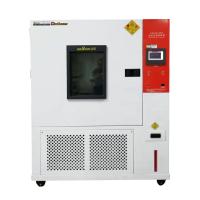
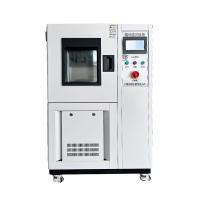
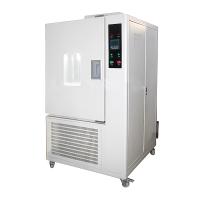
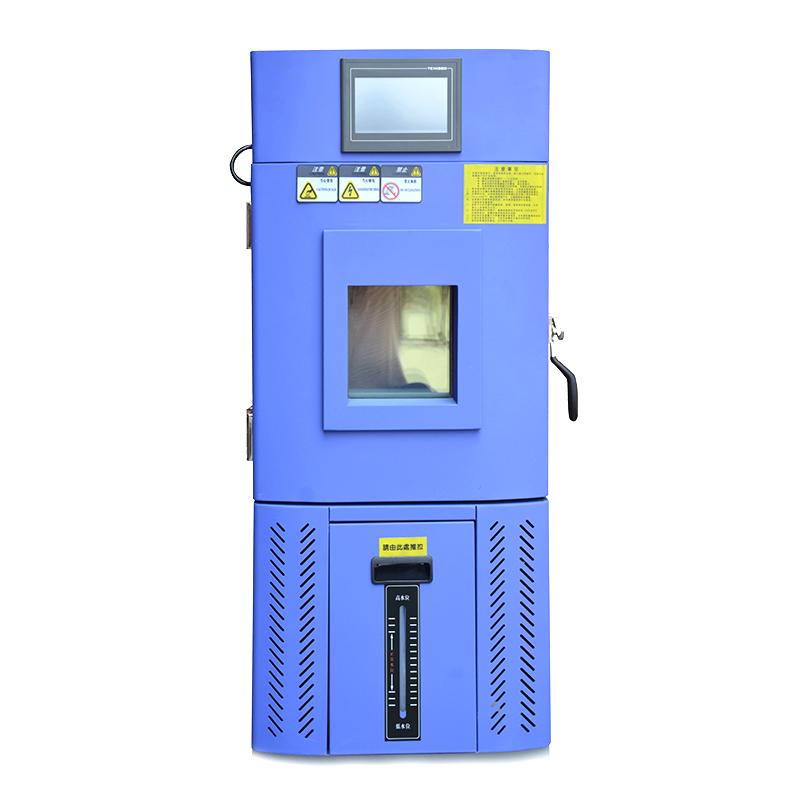
The high-low Temperature Test Chamber can be used to test the high-low temperature resistance of silicone oil, and is mainly used to evaluate the chemical and physical properties of silicone oil under extreme temperature conditions. Here are the general steps for this test:
Prepare samples: Select representative silicone oil samples and prepare test samples as needed. Make sure the sample is clean and free of impurities.
Set the test conditions: set the high-low temperature test temperature and time according to the needs, and determine the temperature control accuracy and heating and cooling speed of the test box.
Put the sample into the test box: Put the test sample into the test box, and set its placement method and position according to your needs.
Perform high-low temperature cycle: start the test, and perform high-low temperature cycle in the test box, heat the sample from low temperature to high temperature, and then cool down from high temperature to low temperature. The number of cycles depends on the needs, generally tens to hundreds of times.
Observe the performance changes of the samples: During the test, observe the performance changes of the samples, such as color, viscosity, pH value, tensile strength, etc., and record the performance of the samples at different temperatures.
Result analysis and evaluation: After the test, according to the observed and recorded data, analyze and evaluate the high-low temperature resistance performance of the sample, and formulate corresponding improvement measures or verification plans.
NBCHAO reminds you: During the test, the sample should be avoided from overheating or overcooling, so as not to damage the test box or sample. In addition, in order to ensure the accuracy of test results, random changes to test conditions should be avoided as much as possible.