Porcelain is a common ceramic product, and its thermal expansion and contraction properties and heat resistance properties will change at different temperatures. Therefore, high-low temperature resistance tests are required to test the physical properties of porcelain in different temperature environments, including heat resistance, thermal expansion and contraction, shock resistance, etc. These tests can evaluate the performance of porcelain in high-low temperature environments, so as to ensure that the porcelain can be used stably and reliably in various application scenarios. At the same time, through the high-low temperature resistance test, the production process and material ratio of porcelain can also be optimized, its performance and service life can be improved, and the market competitiveness of products can be improved.
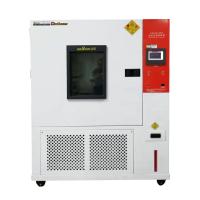
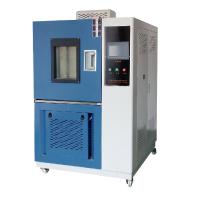
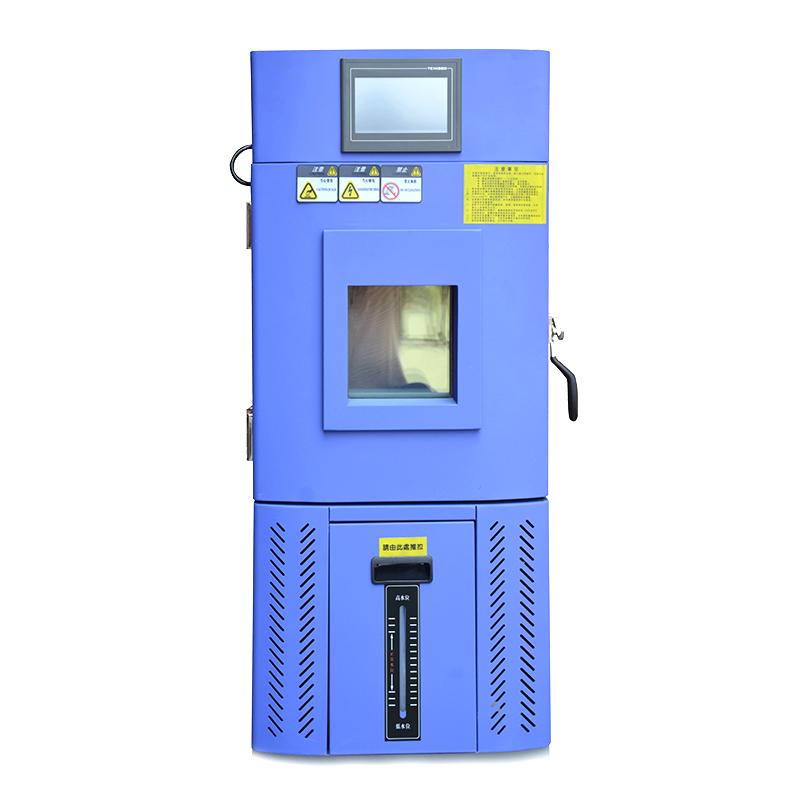
The high-low Temperature Test Chamber can simulate different temperature conditions to help porcelain manufacturers evaluate the high-low temperature resistance of their products.
experiment procedure
Set the test conditions according to the characteristics of porcelain and test requirements, including parameters such as temperature range, heating and cooling rate, and holding time.
Place the porcelain to be tested in the Test Chamber and ensure that its position is stable and does not move.
Start the test, heat up to a high temperature according to the set conditions, keep it for a period of time, then cool down to a low temperature, and keep it for a period of time.
After the test is completed, take out the sample, check its appearance and performance changes, compare the data before and after the test, and evaluate the high-low temperature resistance of the porcelain.
North and South Chao reminds you: During the test, ensure that the temperature distribution in the Test Chamber is uniform, and avoid affecting the test results due to local temperature differences. At the same time, attention should also be paid to the safety of the porcelain during the test to prevent cracks and other damage to the porcelain due to excessive temperature changes.