The motherboard is one of the core components of electronic equipment, and it needs to run stably in various environments. The high-low temperature resistance test is to verify the reliability and stability of the motherboard under extreme temperatures. In a high temperature environment, components on the motherboard may experience thermal failure, resulting in equipment failure or damage. However, in a low-temperature environment, components such as connecting lines and electronic components on the main board are easily affected by temperature and produce cold brittleness, thereby causing problems such as fracture or falling off. Therefore, through the high-low temperature resistance test, the stability and reliability of the motherboard in different temperature environments can be evaluated to ensure that it can work normally in various extreme environments.

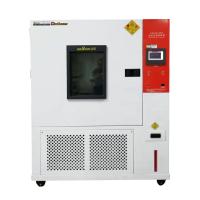
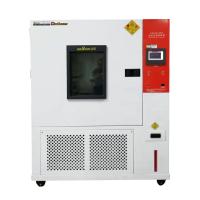
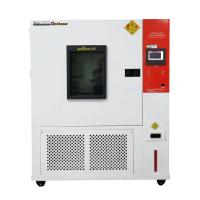
The high-low Temperature Test Chamber is an instrument and equipment widely used in electronic product testing, including the high-low temperature resistance test of the motherboard. The high-low temperature resistance test of the main board is to test the resistance and performance of the main board under extreme temperature conditions by putting the main board into a high-low temperature test box and heating and cooling under different temperature conditions.
experiment method
The following are the general steps of the motherboard high-low temperature test:
Prepare motherboard samples and ensure samples meet testing requirements and specifications.
Put the main board sample into the high-low Temperature Test Chamber, pay attention to the installation position and sealing of the main board.
Set the temperature and time parameters of the high-low Temperature Test Chamber, and set them according to the test requirements and specifications.
When the test is started, the high-low Temperature Test Chamber will automatically heat and cool, and perform cycle tests according to the preset temperature and time parameters.
During the test, the performance of the motherboard can be evaluated by testing the electrical performance and stability of the motherboard, such as the operating frequency, power consumption, and signal interference of the motherboard.
After the test is over, take out the main board sample for appearance and performance inspection, such as checking whether there are problems such as deformation, cracking, fracture, and cracking of solder joints.
Perform data analysis and evaluation based on the test results to determine the motherboard's tolerance and performance under high-low temperature conditions.
In short, the high-low temperature resistance test of the main board can be realized through the high-low Temperature Test Chamber, which can help enterprises and institutions to effectively and accurately test and evaluate the main board, and provide strong support for product development and improvement.