As an important part of electronic products, printed circuit board assemblies need to withstand various temperature changes and mechanical stresses during use, such as high temperature, low temperature, damp heat, vibration, etc. These environmental factors may affect the performance and reliability of the circuit board Changes in characteristics, such as conduction performance, insulation performance, mechanical strength, etc., thus affecting the performance and stability of the entire electronic product. Therefore, in order to ensure that the printed circuit board assembly can work normally in various extreme environments, high-low temperature resistance tests are required. By simulating different temperature conditions and mechanical stress, it is possible to test the performance of the circuit board at high-low temperatures, such as conduction performance, insulation performance, and mechanical strength, so as to evaluate its applicability and reliability in various application scenarios. Product development and production provide reference and guarantee.
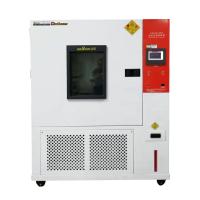
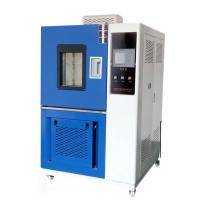
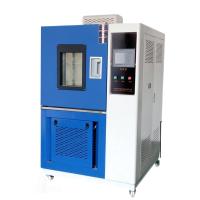
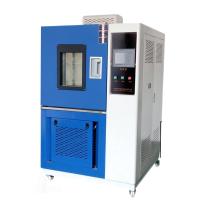
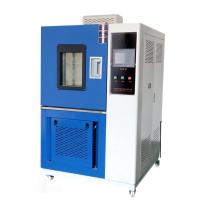
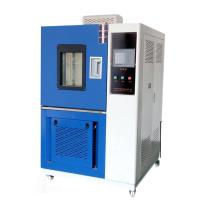
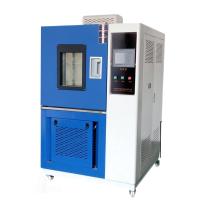
The high-low Temperature Test Chamber is used to test the performance and stability of printed circuit board assemblies in high-low temperature environments to evaluate their scope of application and service life. This type of test can simulate the use of printed circuit board assemblies at different ambient temperatures to determine whether they meet the requirements for use.

test procedure
(1) Place the printed circuit board assembly to be tested in the high-low Temperature Test Chamber, and adjust the temperature of the Test Chamber to the set high temperature value (eg 60°C).
(2) Keep the temperature stable for a period of time (such as 24 hours), and then adjust the temperature of the Test Chamber to the set low temperature value (such as -20°C).
(3) Keep the temperature stable for a period of time (for example, 24 hours), and then adjust the temperature of the Test Chamber back to the set high temperature value.
(4) Repeat the above process several times to test the performance and stability of the printed circuit board assembly under alternating high-low temperature environments.
(5) During the test, the parameters of the printed circuit board assembly can be monitored and recorded, such as temperature, resistance value, capacitance value, etc.
(6) After the test is completed, evaluate the performance parameters and stability of the printed circuit board assembly to determine whether it meets the requirements for use.
NBCHAO reminds you: the high-low temperature test parameters and test standards of printed circuit board assemblies may be different, and the specific test steps should be adjusted according to the product type and relevant standards. At the same time, sufficient safety measures need to be taken before the test to ensure that no safety accidents will occur during the test.