Hydraulic pump is a common mechanical equipment, widely used in aerospace, machinery manufacturing, shipbuilding industry and other fields. Since hydraulic pumps need to withstand severe working conditions such as high pressure and high temperature during use, high-low temperature resistance tests are required to test the performance and reliability of hydraulic pumps under different temperatures and environments. This kind of test can test the thermal expansion, contraction, deformation, leakage and other performance of key components such as the pump body, pump casing, seals, bearings, and hydraulic oil of the hydraulic pump at different temperatures, so as to ensure the performance of the hydraulic pump under different temperatures and environments. stability and reliability. In addition, the high-low temperature resistance test can also test the performance of the hydraulic pump such as flow, pressure, noise, vibration, etc., thereby optimizing the structural design and manufacturing process of the hydraulic pump, improving its working efficiency and service life, thereby improving the cost performance and market competition of the hydraulic pump force.
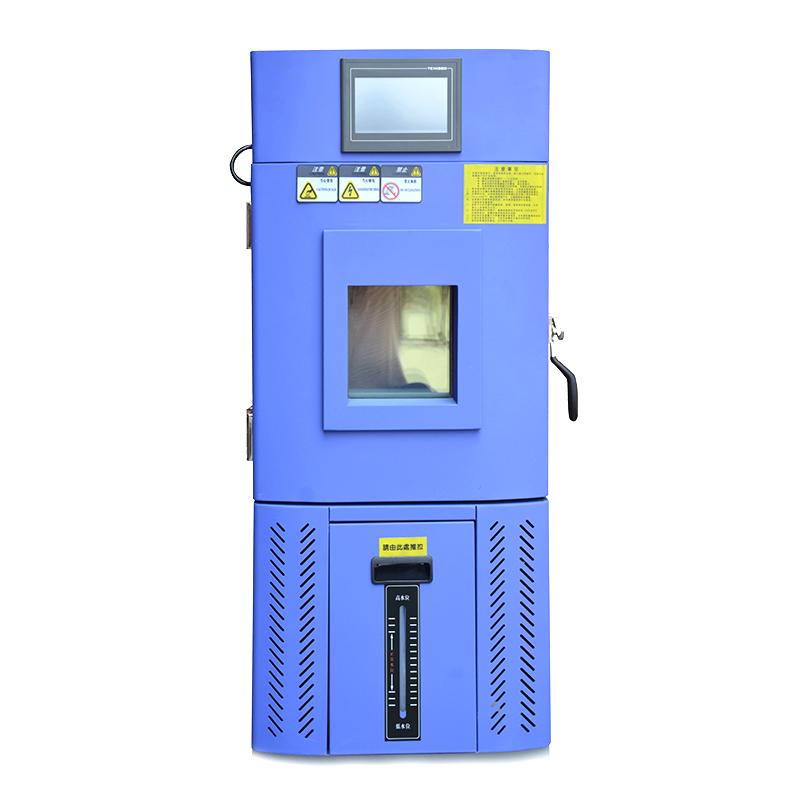
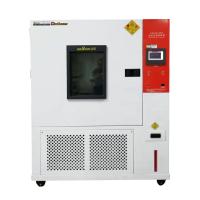
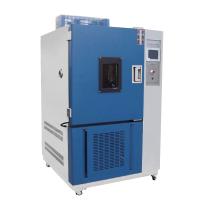
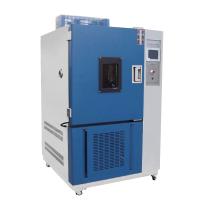
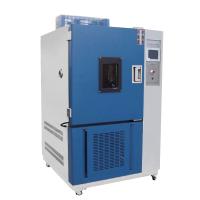
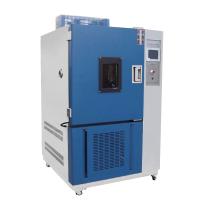
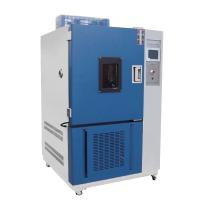
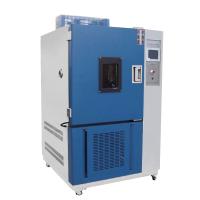
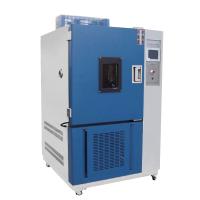
The high-low Temperature Test Chamber can be used in the high-low temperature resistance test of hydraulic pumps to test the performance and reliability of hydraulic pumps under different temperature environments.
operation method
The following are the test steps of the high-low Temperature Test Chamber in the high-low temperature resistance test of the hydraulic pump:
Preparation: Check whether the Test Chamber and temperature controller are working normally, and set the temperature range and heating and cooling rate of the Test Chamber according to the test requirements. Prepare the hydraulic pump to be tested, and pay attention to its model and technical parameters.
Sample installation: Install the hydraulic pump to be tested on the sample rack in the Test Chamber, and pay attention to its position and direction, so as to ensure the accuracy of the test results. Connect the pump inlet and outlet lines.
Test operation: Turn on the Test Chamber and temperature controller, and set the temperature range and heating and cooling rate of the Test Chamber. Raise the temperature of the Test Chamber to the set temperature range, keep it for a period of time, and then cool down to the set temperature. During the test, record the temperature change inside the Test Chamber, and record the operating parameters and performance indicators of the hydraulic pump.
Evaluation of test results: After the test, check and test the hydraulic pump, including the test and evaluation of the flow, pressure, noise, temperature and other parameters of the hydraulic pump. Through the evaluation of the test results, the tolerance and stability of the hydraulic pump in the high-low temperature environment can be judged.
Beichao reminds you: check and test the hydraulic pump before the test to ensure its normal operation. During the test, the temperature range and heating and cooling rate inside the Test Chamber should be strictly controlled to ensure the accuracy and reliability of the test. At the same time, the Test Chamber should be cleaned and maintained after the test to prolong its service life.