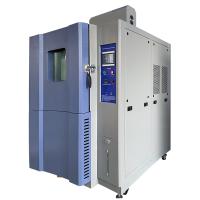
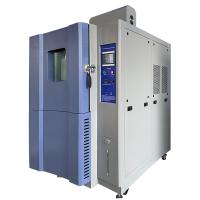
Asphalt mortar is a common road material, mainly used for road repair and waterproofing. Since asphalt mortar needs to withstand different climate and environmental influences during use, such as high or low temperature environment, strong wind or heavy rain, etc., high-low temperature resistance tests are required to test the performance of asphalt mortar at different temperatures and humidity and reliability. This test can test the softening point, fluidity, viscosity and other properties of asphalt mortar at high temperature, as well as the bending, fracture and tensile properties at low temperature, so as to ensure the asphalt mortar in different climates and environments. quality and stability. In addition, the high-low temperature resistance test can also test the durability, anti-aging performance and waterproof performance of asphalt mortar, so as to determine its service life and scope of application, and improve its practical value and reliability in road construction.
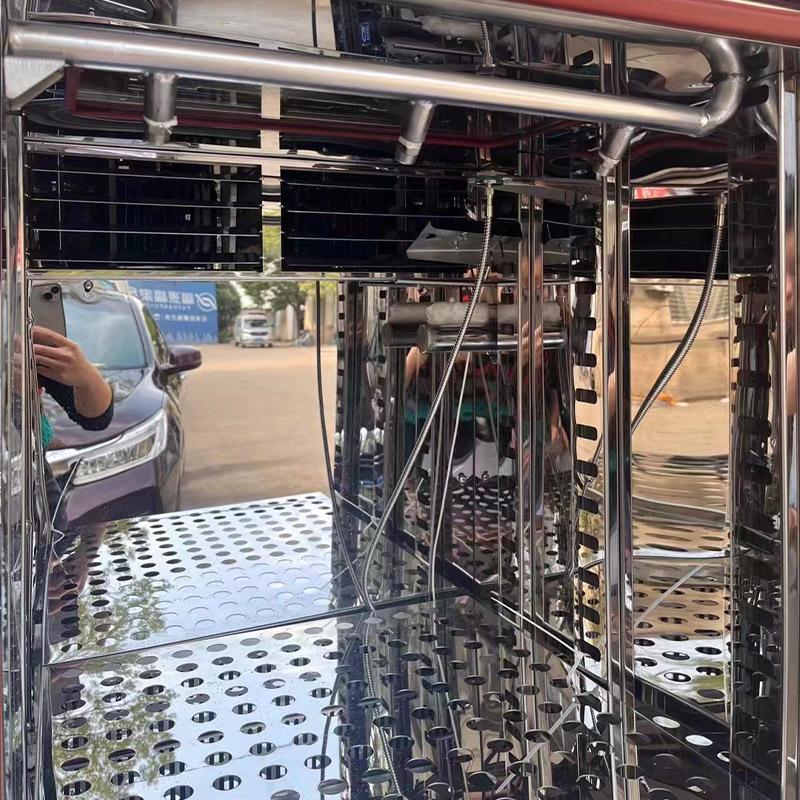
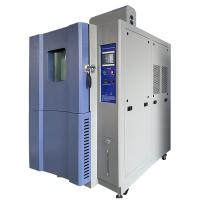
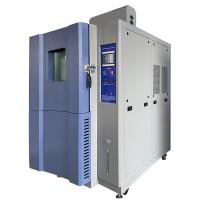
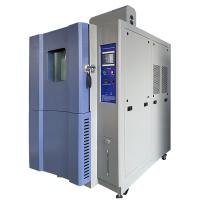
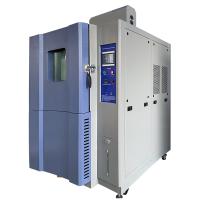
The high-low Temperature Test Chamber can be used for high-low temperature resistance tests to evaluate its performance and stability in extreme temperature environments.
The following are the general steps of the high-low temperature resistance test of asphalt mortar:
Sample Preparation: Asphalt mastic samples were prepared according to standard specifications and cut to a suitable size to fit the size of the Test Chamber.
Temperature program setting: Set the temperature program according to the test standard or product specification. Generally, high-low temperature cycle tests are required. Return to room temperature.
Sample loading: put the sample into the high-low Temperature Test Chamber, and gradually increase or decrease the temperature according to the standard procedure.
Test process monitoring: During the test process, the temperature change of the sample is monitored, and a temperature sensor or an infrared thermometer can be used for real-time monitoring.
After the test is completed, take out the sample for evaluation: After the test is completed, take out the sample for evaluation. The performance stability of the sample can be evaluated by observing the appearance change, measuring physical properties, chemical properties and other methods.