Concrete is one of the commonly used materials in construction engineering. It needs to withstand various environmental conditions during use, including extreme temperature environments such as high temperature and low temperature. These environmental conditions may affect the mechanical properties, durability, heat resistance and other indicators of concrete, and then affect the structural safety and service life of buildings. Therefore, in order to ensure that concrete can maintain its mechanical properties and stability in different environments, it is necessary to conduct high-low temperature resistance tests to evaluate its performance and reliability in extreme temperature environments, thereby ensuring its stability and stability in actual use. safety.
experiment method
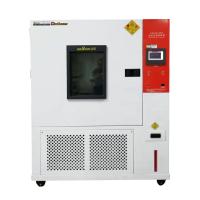
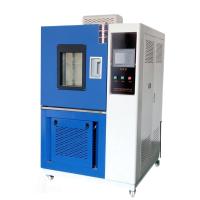
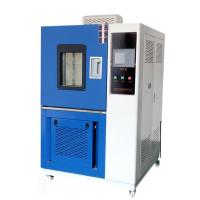
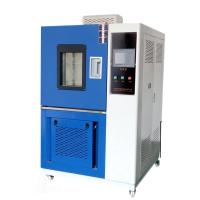
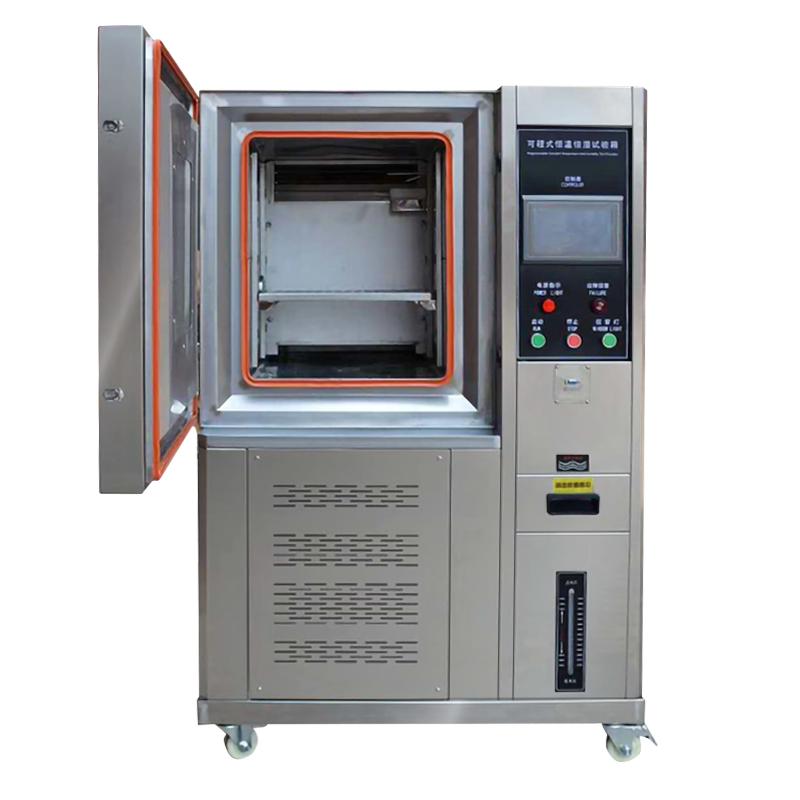
The high-low Temperature Test Chamber is mainly used in the high-low temperature resistance test of concrete to test the physical properties and chemical stability of concrete materials under high temperature and low temperature environments. The following are the test steps of the high-low Temperature Test Chamber in the high-low temperature resistance test of concrete:
Sample preparation: Prepare concrete samples according to the test requirements, and pay attention to the technical parameters such as the mix ratio and compressive strength of the concrete. The prepared concrete samples are poured into molds, and subjected to vibration and curing.
Sample installation: install the concrete sample on the sample rack in the Test Chamber, and pay attention to the position and direction of the sample to ensure the accuracy of the test results. When installing, attention should be paid to the distance between the sample and the sample to fully expose the surface of the sample for the measurement of temperature changes.
Test operation: Turn on the Test Chamber and temperature controller, and set the temperature range and heating and cooling rate of the Test Chamber. Raise the temperature of the Test Chamber to the set temperature range, keep it for a period of time, and then cool down to the set temperature. During the test, the temperature change inside the Test Chamber was recorded, and the physical properties and chemical stability of the concrete were recorded.
Evaluation of test results: After the test, the concrete samples were inspected and tested, including the testing and evaluation of their physical properties and chemical stability. Through the evaluation of the test results, the ability and stability of concrete materials in high-low temperature environments can be judged.
North and South Chao reminds you: Before the test, the concrete should be inspected and tested to ensure that it is normal. During the test, the temperature range and heating and cooling rate inside the Test Chamber should be strictly controlled to ensure the accuracy and reliability of the test. At the same time, the Test Chamber should be cleaned and maintained after the test to prolong its service life.