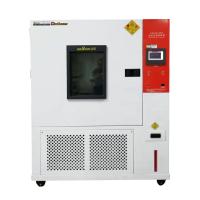
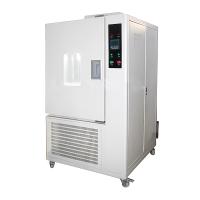
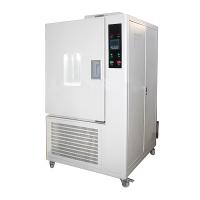
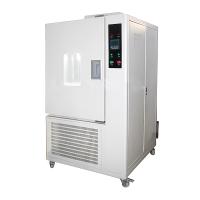
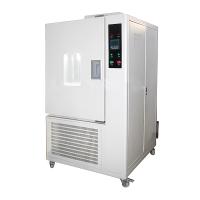
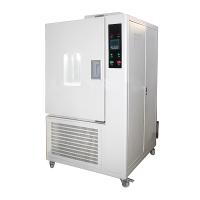
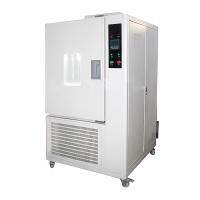
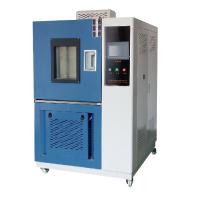
Wire rope grease is a lubricant used to reduce wear and prolong service life of wire ropes. The high-low temperature resistance test is to verify the performance and reliability of wire rope grease at different temperatures. In a high-temperature environment, the grease may deteriorate, decompose, etc., resulting in poor lubrication effect, while in a low-temperature environment, the grease may harden, solidify, etc., and cannot effectively lubricate. Through the high-low temperature resistance test, the performance and stability of the grease in different temperature environments can be evaluated to ensure that it can be lubricated normally in various extreme environments, ensure the normal use and safety of the wire rope, and improve the service life and reliability of the wire rope. The high-low Temperature Test Chamber is a kind of equipment used to simulate extreme temperature conditions, which can test the high-low temperature performance of lubricating grease in a short period of time.
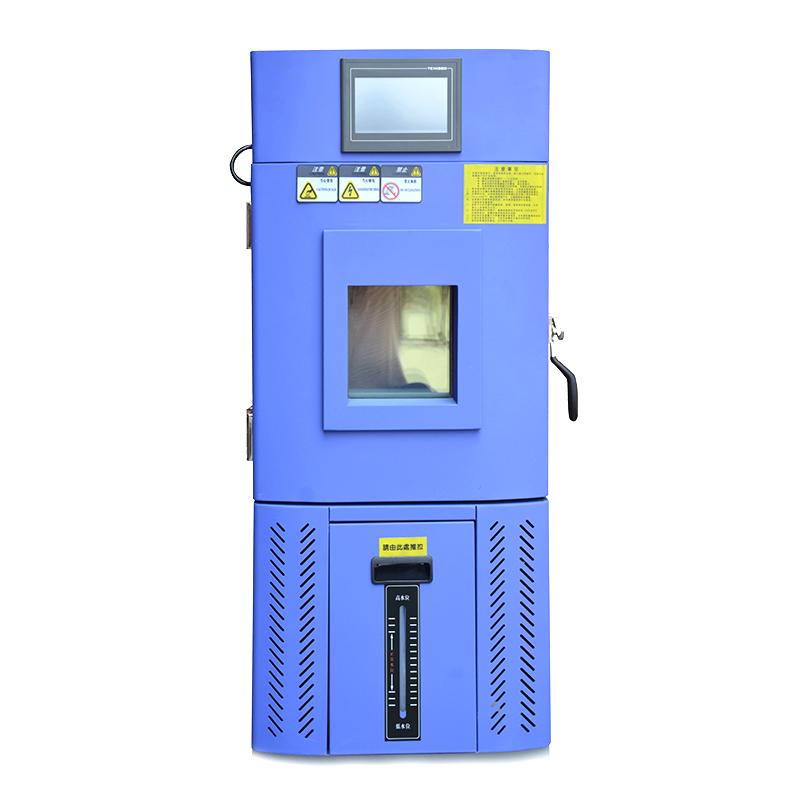
application
Evaluate grease performance in extreme high temperature (typically 70°C or higher) and low temperature (typically -40°C or lower) conditions.
Simulate real-world service conditions to verify grease reliability and stability at extreme temperatures.
Evaluate performance indicators such as fluidity, viscosity, oxidation resistance, and corrosion resistance of grease under extreme temperature conditions.
experiment procedure
Apply the grease to be tested on the surface of the wire rope, and process and prepare the sample according to specific specifications.
Put the grease sample into the high-low Temperature Test Chamber, and set the test temperature and test time. The temperature usually varies between -40°C and 70°C, and the time is adjusted according to actual needs.
Grease is subjected to a high-low temperature cycle test in a high-low Temperature Test Chamber, and the test time usually ranges from several hours to tens of hours.
During the test, regularly check the state and performance of the grease samples, such as fluidity, viscosity, color, odor, etc.
Evaluation and analysis are performed based on test results to determine how the grease will perform under extreme temperature conditions, as well as its reliability and stability.