The mechanical oil pump shaft is a key component responsible for delivering lubricating oil from the oil tank to various parts of the engine for lubrication. During use, the mechanical oil pump shaft will be affected by different environmental conditions such as high temperature and low temperature. If the high-low temperature resistance of the shaft is insufficient, it may lead to insufficient supply of lubricating oil or poor lubrication of the engine, resulting in reduced engine performance and increased wear, etc. problems, and can even cause serious damage to the engine. Therefore, in order to ensure that the mechanical oil pump shaft can work normally under various temperature environments, it is necessary to conduct high-low temperature resistance tests. In this way, the high-low temperature adaptability of the mechanical oil pump shaft can be evaluated to ensure the normal operation and reliability of the engine.
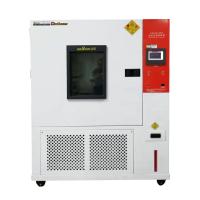
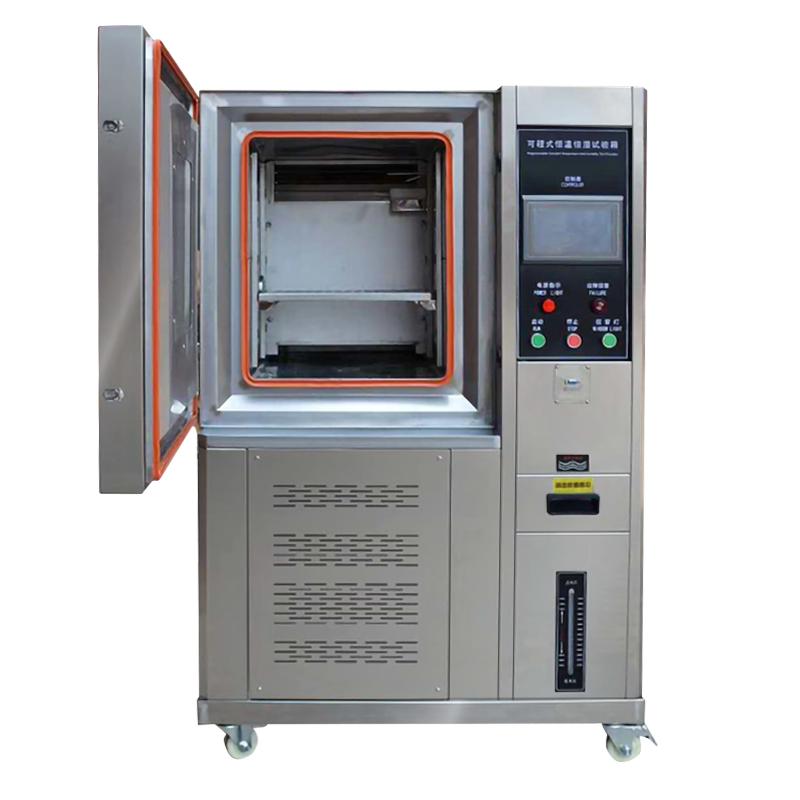
The high-low Temperature Test Chamber can be used for high-low temperature resistance tests of mechanical oil pump shafts to evaluate their performance and reliability in extreme temperature environments.
experiment method
Select a mechanical oil pump shaft that meets specifications and ensures that its surface is not damaged or deformed.
Place the mechanical oil pump shaft in the high-low Temperature Test Chamber, and make sure that its surface is not damaged or deformed.
According to the test requirements, set the temperature range and lifting speed of the high-low Temperature Test Chamber, for example: -40°C~+120°C, the lifting speed is 10°C/min.
Start the high-low Temperature Test Chamber, and start the high-low temperature cycle test. The test time can be set according to the requirements, for example: keep at each temperature point for 2 hours, and cycle 10 times.
During the test, observe the working state and appearance changes of the mechanical oil pump shaft, and record the data. For example: diameter, length, axial and radial runout, etc.
By analyzing the test data, evaluate the performance and reliability of the mechanical oil pump shaft. For example: Observing the radial and axial runout of a shaft to assess how it changes at different temperatures and how it affects bearings and seals.
After the test is completed, close the high-low Temperature Test Chamber, and take out the test sample. Follow-up bearing and seal performance evaluation and analysis, if required.