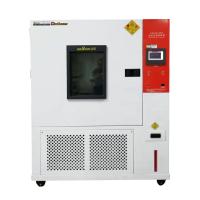
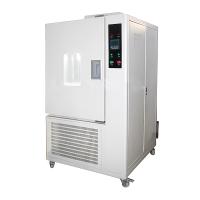
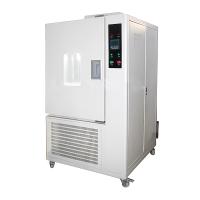
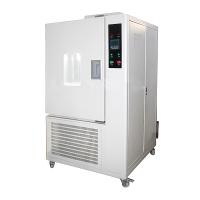
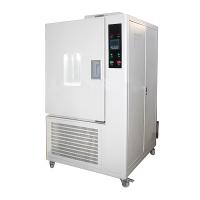
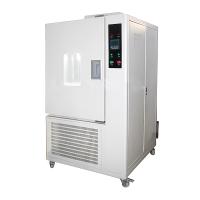
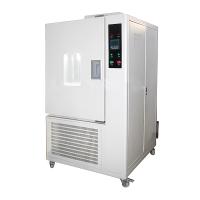
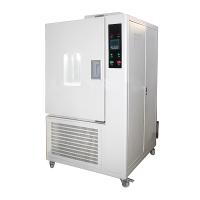
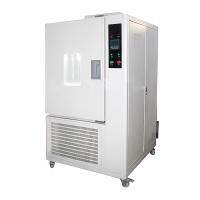
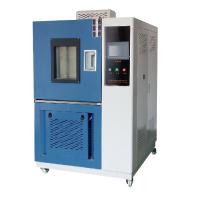
The high-low Temperature Test Chamber is a kind of equipment specially used to simulate extreme temperature environment, which can test the durability and stability of various materials and products under high-low temperature environment.
A shock absorber is a device used to reduce mechanical vibration and noise, and is widely used in mechanical equipment such as automobiles, trains, and machine tools. In practical applications, the shock absorber needs to withstand the effects of different temperatures, and it needs to pass the durability test under the alternating action of high-low temperature, so as to ensure its performance and life in different environments. High-low Temperature Test Chambers can provide reliable conditions for this test.
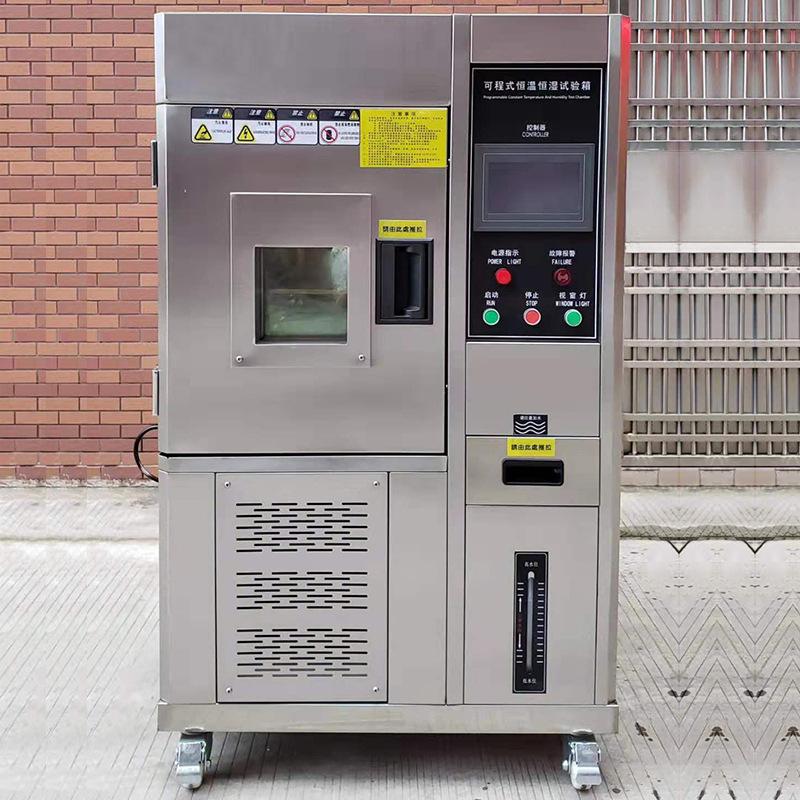
experiment procedure
Place the shock absorber in the high-low Temperature Test Chamber, and make sure there are no other objects around it.
Set the temperature range and change rate of the high-low Temperature Test Chamber, generally according to the standard test requirements.
Open the high-low Temperature Test Chamber and start the high-low temperature cycle test.
In high temperature and low temperature environments, the shock absorber is continuously tested respectively. The general test time ranges from several hours to several days, and the specific time is determined according to the test requirements.
According to the test requirements, gradually increase or decrease the temperature in the high-low Temperature Test Chamber, and record the performance and life data of the shock absorber at each temperature point.
After the test, analyze and evaluate the test data to judge whether the shock absorber meets the design requirements.
NBCHAO reminds you: During the high-low temperature test of the shock absorber, it needs to be tested specifically, including its response to vibration, pressure, etc., so as to ensure its reliability and stability in actual use. At the same time, after the test, it is necessary to analyze and evaluate the relevant data, and report the test results, so that the manufacturer can make further improvement and optimization.