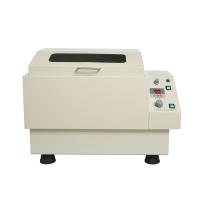
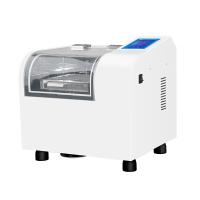
Oscillators and shakers in the laboratory are all devices used to vibrate or shake samples or reagents in experiments, and they have certain differences in movement modes and application scenarios.
Movement method:
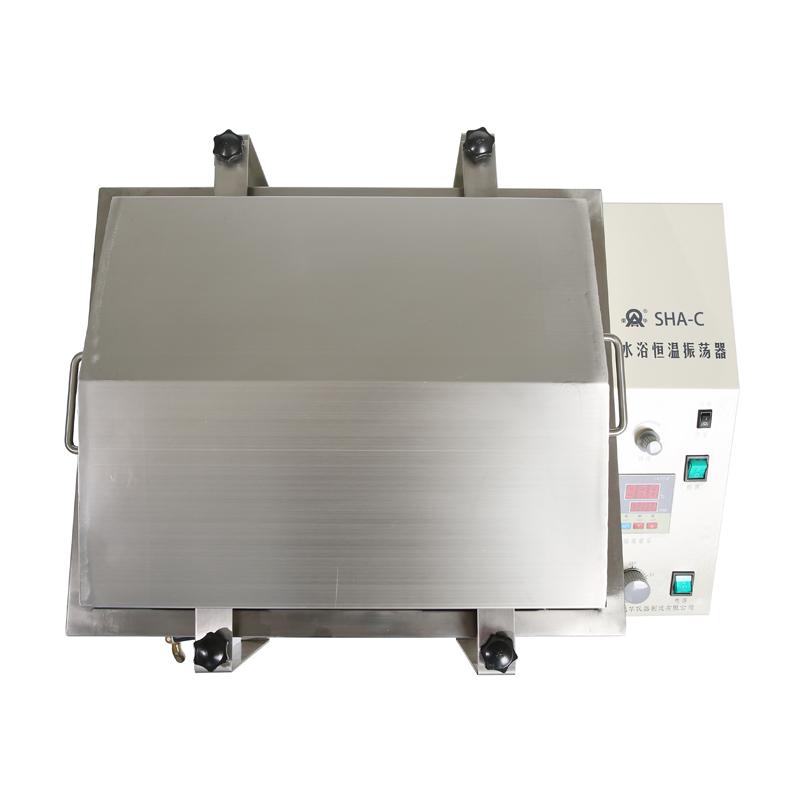
A shaker is a device that vibrates in a vertical direction, and samples or reagents are usually placed in a fixture or rack fixed to the shaker. The oscillator can meet the needs of different experiments by controlling parameters such as vibration frequency and amplitude.
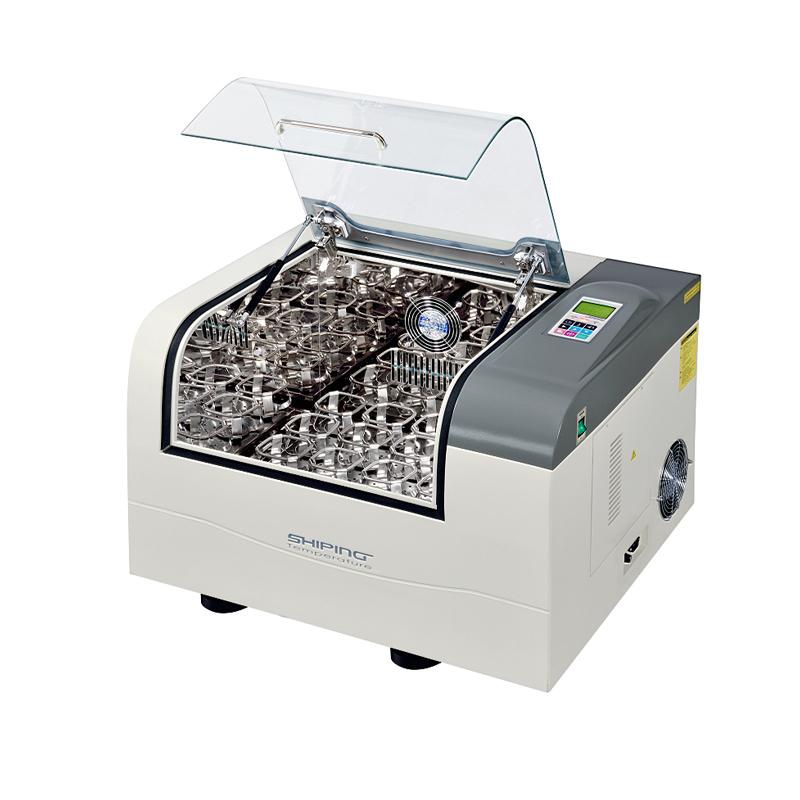
A shaker is a device that oscillates in a horizontal direction. Samples or reagents are usually placed on the table of the shaker. Parameters such as the frequency and amplitude of the shaker can be controlled to meet the needs of different experiments.
Application scenario:
Oscillators are usually used in experiments such as mixing liquid samples, chemical reactions, extractions, staining, etc., and are suitable for experiments that require frequent mixing.
Shakers are usually used in experiments such as cell culture, biochemical reactions, and culturing strains, and are suitable for experiments that require slight shaking.
To sum up, oscillators and shakers are common equipment in laboratories, and their selection depends on the needs of specific experiments and the characteristics of samples. When using these equipment, it is necessary to operate strictly according to the requirements in the operating instructions, and keep the equipment clean and well maintained to ensure the accuracy and reliability of the experiment.