1. Electrolytic corrosion test
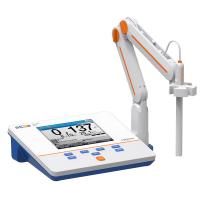
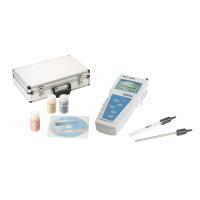
Electrolytic corrosion test (Ec test) is a test method suitable for artificial rapid corrosion of cathodic coatings (cu_Ni_Cr_; Ni_Ni_Cr; Ni_Cu_Ni_Cr, etc.) on steel parts or zinc die castings. Salt spray test is faster and more accurate. (Related instrument: Ion Meter)
1) Method principle Electrolytic corrosion test is in the corresponding test solution, the sample is used as the anode, electrolysis and immersion are carried out under the specified conditions, causing the electrochemical dissolution of the sample matrix or bottom coating, and then the chromogenic solution containing the indicator Medium treatment to make the corrosion parts color, and finally evaluate the corrosion resistance by the size and density of the color spots on the surface of the sample.
The electrolytic corrosion test is essentially the result of examining the degree of defects (pinholes, cracks, etc.) in the coating that affect the corrosion resistance.
2) The composition and electrolysis conditions of the electrolyte solution and color developing solution The electrolyte solution and color developing solution used in the electrolytic corrosion test should be selected according to the difference of the base metal of the plated parts, see Table 11_3_9.

3) Test method
(1) Use ethanol or magnesium oxide paste to remove oil and dirt on the surface of the tested sample, and clean it.
(2) Place the sample in an electrolytic cell with corresponding electrolyte. The sample was used as the cathode, and the stainless steel was used as the cathode, and the electrolysis was carried out for about 1 min at the specified potential and current density. Then turn off the power, let the sample dip in the electrolyte for 2min, take it out and clean it.
(3) Continue to immerse the sample in the corresponding chromogenic solution for 1 to 2 minutes to make the indicator react with the corroded Fe2+ and zn2+, which can produce characteristic Spots of color.
(4) Wash the sample, and repeat the above steps several times. The electrolysis time and repetition times in the test are determined by the protective index required by the product.
4) Evaluation method The corrosion resistance of the coating is evaluated by checking the size and density of colored spots on the surface of the sample after the electrolytic corrosion test.
Good The surface of the sample has no color spots caused by rust.
Qualified There are a small number of sparse color spots on the surface of the sample, and the diameter of the spots is generally not greater than 0.5mm.
Unqualified A large number of concentrated colored spots on the surface of the sample, or a certain number of colored spots with a diameter greater than 0.5mm.