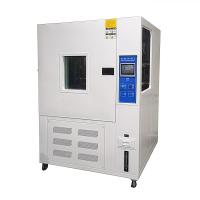
The constant temperature and humidity Test Chamber is a device used to simulate the working environment of electronic components under high temperature and high humidity conditions. In the electronics industry, one of the commonly used test methods is the electronic damp heat resistance test, which can test the durability and reliability of electronic components in high temperature and high humidity environments.
The following introduces the application and test procedures of the constant temperature and humidity Test Chamber in the electronic humidity and heat resistance test.
1. Application
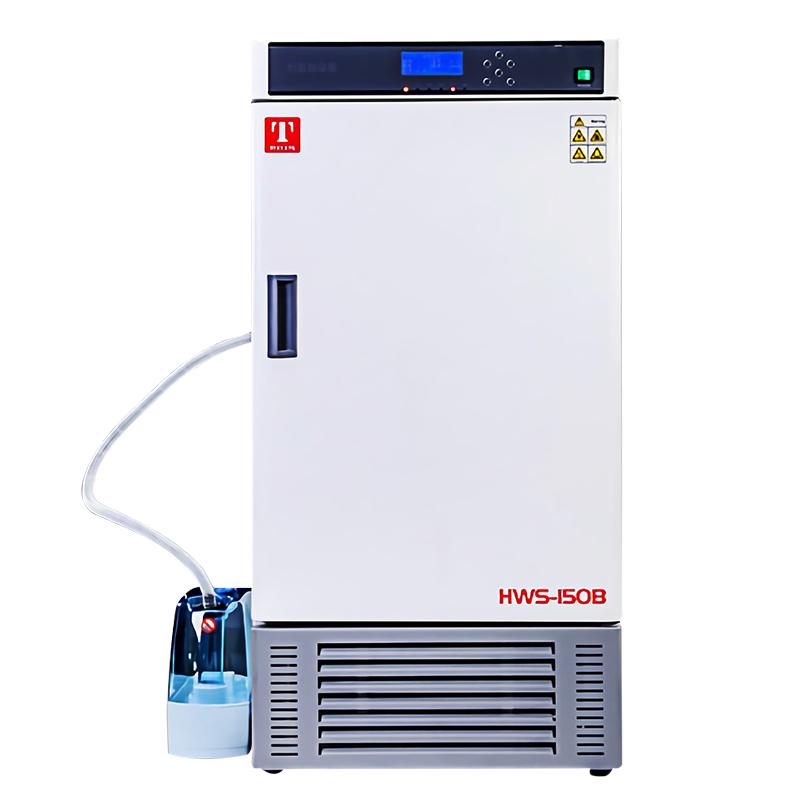
The constant temperature and humidity Test Chamber can simulate the working conditions of electronic components in a high temperature and high humidity environment, and conduct electronic humidity and heat resistance tests. In the Test Chamber, the temperature and humidity in the Test Chamber can be adjusted through a humidifier and a constant temperature system, thereby simulating different high-temperature and high-humidity environments. The durability and reliability of electronic components can be evaluated by subjecting them to high temperature and high humidity conditions in a Test Chamber.
2. Test steps
Prepare the sample: put the sample to be tested into the Test Chamber, and ensure that the working temperature range of the sample is within the range of the Test Chamber.
Set test conditions: Set the temperature and humidity in the Test Chamber according to the test needs.
Running test: Start running the test, and keep the temperature and humidity in the Test Chamber within the set value range for a certain period of time.
Take out the sample: After the test, take out the sample for detection and analysis. The content of the test can include the appearance and performance changes of the sample surface to evaluate the durability and reliability of the sample in a high-temperature and high-humidity environment.
When conducting the electronic damp heat resistance test, remember to select the appropriate test parameters, such as temperature, humidity and test time, to ensure the accuracy and reliability of the test results. In addition, in order to avoid damage to electronic components caused by moisture in the test box, the test box needs to be fully cleaned and dried before the test.