FRP is a composite material composed of glass fibers and resins. It has light weight, high strength, corrosion resistance, good insulation, aging resistance and other excellent properties, so it is widely used in the manufacture, processing and use of construction, chemical industry, shipbuilding, electric power and other fields.
Humidity and heat resistance test is a method to test the performance of FRP material, which can simulate the use of FRP in high temperature, high humidity or humid environment. In this kind of test, the FRP material is usually placed in a high-temperature, high-humidity or humid environment to observe its deformation, cracking, corrosion, etc., and test its performance indicators, such as tensile strength, bending strength, impact toughness, electrical insulation, etc. performance etc.
Through the heat and humidity test, the durability and stability of FRP materials in high temperature, high humidity or humid environments can be evaluated, the problems and challenges that they may face in long-term use, and the needs for improving and optimizing material formulations and manufacturing processes can be understood. . In addition, the humidity and heat resistance test can also help FRP manufacturers determine the scope of application and use conditions of the material, and provide customers with more reliable, high-quality and high-performance FRP products.
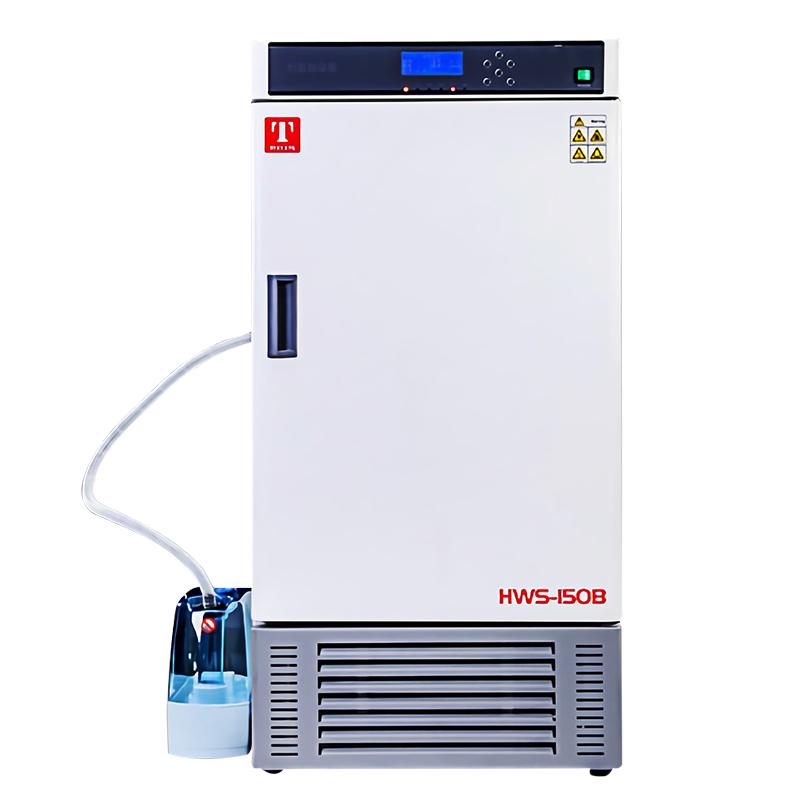
The constant temperature and humidity Test Chamber is also widely used in the heat and humidity resistance test of FRP. This test is to evaluate the damp heat stability of FRP by placing the FRP sample in a damp heat Test Chamber, controlling the ambient temperature and humidity, and testing the performance of the sample under high temperature and high humidity conditions.
experiment method
The general test method is as follows:
Prepare samples: collect the FRP samples to be tested to ensure that the samples meet the standard requirements.
Adjust the damp heat Test Chamber: set the temperature and humidity of the Test Chamber, usually the test temperature is 60°C and the humidity is 95%RH.
Place the samples: Place the samples in the damp heat Test Chamber and let them run under the set environmental conditions.
Observe the performance of the sample: During the test, it is necessary to regularly check the weight, water absorption, bending strength and other parameters of the sample to understand the performance of the sample.
Record data: record each detected data and results for data analysis and comparison.
End of test: After the test is completed, the samples need to be tested and analyzed to determine their wet heat stability.
Through this method, the hygrothermal stability of FRP can be quickly and accurately evaluated, and whether it meets relevant standards and requirements can be determined.